
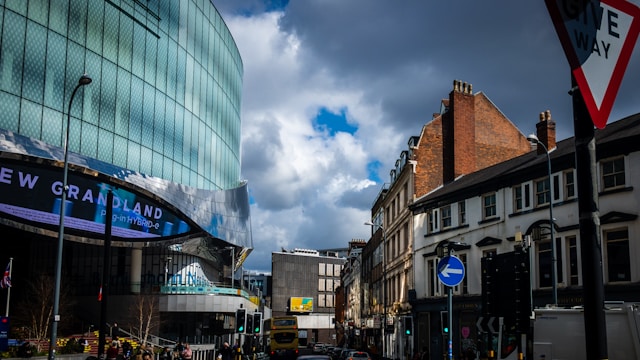

The landscape of Property Investment Birmingham has evolved dramatically over the past decade, and as we approach 2026, the city’s rental market is set for even more significant transformation. Birmingham has long been considered one of the UK’s most promising urban centres for investors, fuelled by large-scale regeneration, a growing population, and a thriving business ecosystem. However, the next few years will introduce new influences and shifts that landlords, investors, and tenants will need to understand. From technology-driven lettings to sustainability demands and changes in tenant priorities, 2026 is shaping up to be a pivotal year for the city’s rental sector.
A Growing Population and Increasing Renter Demand
Birmingham continues to attract people from across the UK and abroad, thanks to its reputation as a dynamic, multicultural city with strong career prospects. The growth of sectors such as finance, technology, and professional services has boosted employment opportunities, drawing young professionals who typically favour renting over buying. Students also remain a major force in the rental market, supported by the presence of world-renowned institutions such as the University of Birmingham and Aston University.
By 2026, Birmingham’s population is projected to rise further, intensifying demand for rental properties. With affordability challenges still present in the sales market, more residents are expected to remain in long-term rentals. This transition towards a more “European-style” renting culture—where renting for longer periods becomes normal—will strengthen the market for landlords and investors.
Regeneration Projects Reshaping the City’s Rental Landscape
Birmingham’s ongoing regeneration has already delivered significant benefits, but 2026 will see the next wave of transformation come to life. Key projects such as Paradise, Smithfield, and the wider Big City Plan continue to reshape the skyline and inject new commercial, residential, and leisure spaces into the city.
The Smithfield development in particular is expected to add thousands of new homes, creating fresh opportunities for investors and offering renters modern, energy-efficient properties with access to stylish public spaces. Areas surrounding major regeneration initiatives often see the fastest rental growth, and this will remain true in Birmingham over the next few years. Investors who purchase in these districts now are likely to see rising rental yields as demand intensifies.
Technology and the Rise of Smart Rental Living
Technological advancements will play a major role in shaping Birmingham’s rental market in 2026. Renters are increasingly drawn to properties that embrace “smart living” features—such as app-controlled heating, keyless entry systems, and integrated security technologies. Landlords who upgrade their properties with modern tech features will find themselves in a stronger position to appeal to younger, digitally minded tenants.
Moreover, PropTech (property technology) is set to streamline the entire rental process. Online viewings, AI-driven tenant screening, and automated maintenance updates are becoming more common. Letting agents and landlords who adopt these tools will benefit from faster processes, reduced void periods, and improved transparency for tenants.
Sustainability and Energy Efficiency as Key Priorities
Environmental responsibility is no longer a secondary consideration—it is rapidly becoming a core expectation among renters and investors alike. The government’s ongoing push for energy-efficient housing means that EPC ratings will continue to shape rental values and legal requirements in 2026. Younger renters, in particular, are prioritising eco-friendly homes with low running costs, sustainable materials, and modern insulation.
As a result, demand will grow for new-build apartments and retrofitted older homes that offer reduced carbon footprints and energy-efficient systems. Landlords who invest early in property improvements such as double glazing, solar technologies, and smart heating systems will not only future-proof their assets but also attract a broader pool of environmentally conscious tenants.
Rental Prices: Continued Growth, but Moderation Expected
Birmingham has experienced consistent rental growth in recent years due to high demand and limited supply. While this upward trend is expected to continue in 2026, market analysts predict a slightly more balanced rate of growth compared to the steep rises seen previously. Factors such as wage pressures, broader economic stability, and increased housing delivery will contribute to moderating price increases.
Nevertheless, key hotspots—especially those near regeneration zones or major transport links—are likely to outperform the city average. Neighbourhoods such as Digbeth, Edgbaston, Jewellery Quarter, and the outskirts of the city centre are expected to remain among the strongest performers for rental yields.
Changing Tenant Expectations and Lifestyle Shifts
The profile of the modern renter has changed significantly, and these shifts will be even more pronounced by 2026. Post-pandemic lifestyle trends continue to influence what tenants seek in a home. Flexible workspace within the property, good broadband speeds, access to green spaces, and proximity to transport links remain high priorities.
Additionally, Birmingham’s increasing appeal to remote and hybrid workers means that demand for larger properties—especially those with home office potential—will grow. For investors, this presents opportunities in both the city centre and suburban markets. Areas with easy access to parks, cycle routes, and community facilities are particularly likely to see stronger demand.
A Stronger Build-to-Rent (BTR) Sector
The Build-to-Rent sector is one of the fastest-growing segments in the UK, and Birmingham is no exception. With thousands of BTR units already delivered and more under construction, 2026 will see this sector play an even more significant role in the city’s rental supply.
BTR developments are designed specifically for long-term renters, offering luxury amenities such as on-site gyms, co-working spaces, lounges, and concierge services. These properties attract young professionals seeking convenience and community, and they present a stable investment option for those looking for predictability and high occupancy rates.
The Outlook for Investors in 2026
For investors evaluating Birmingham as a long-term opportunity, the outlook remains highly positive. The combination of regeneration, population growth, rising rental demand, and improving infrastructure makes the city a standout destination for property investment in the UK.
However, investors will need to remain adaptable. Focusing on energy efficiency, tenant expectations, and emerging neighbourhoods will be essential for securing strong yields and minimising void periods. As the rental market evolves, those who embrace change—whether through property upgrades, diversified portfolios, or modern management technologies—will be best positioned for success.
Conclusion
Birmingham’s rental market in 2026 is set to be dynamic, modern, and increasingly competitive. With demographic shifts, major regeneration, sustainability demands, and the rise of smart living, the landscape is evolving rapidly. For landlords and investors willing to stay ahead of the curve, the future is rich with opportunity. Birmingham remains one of the UK’s most promising cities for rental growth, and the coming years will reinforce its position as a leading hub for renters and property investors alike.