
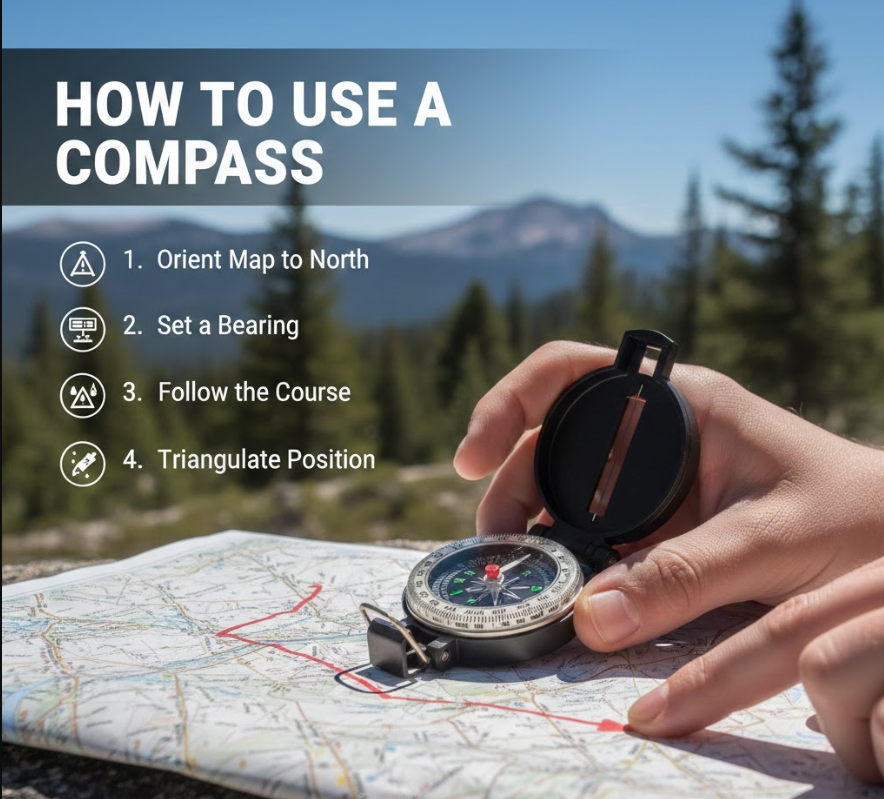

Knowing how to use a compass remains an essential skill in a world dominated by GPS and smartphones. Batteries fail, signals drop, and technology can malfunction, but a compass always works as long as Earth’s magnetic field exists. According to outdoor safety studies, nearly 60% of lost hikers relied solely on digital navigation, highlighting the importance of traditional orientation skills.
From outdoor navigation and map reading to education, geometry, scuba diving, and even digital environments like Minecraft, a compass serves as a reliable tool for understanding direction and spatial awareness. This comprehensive guide explains how to use a compass step by step, covering real-world navigation, academic uses, watches, maps, and beginner-friendly methods, all explained clearly and responsibly.
How to Use a Compass for Beginners
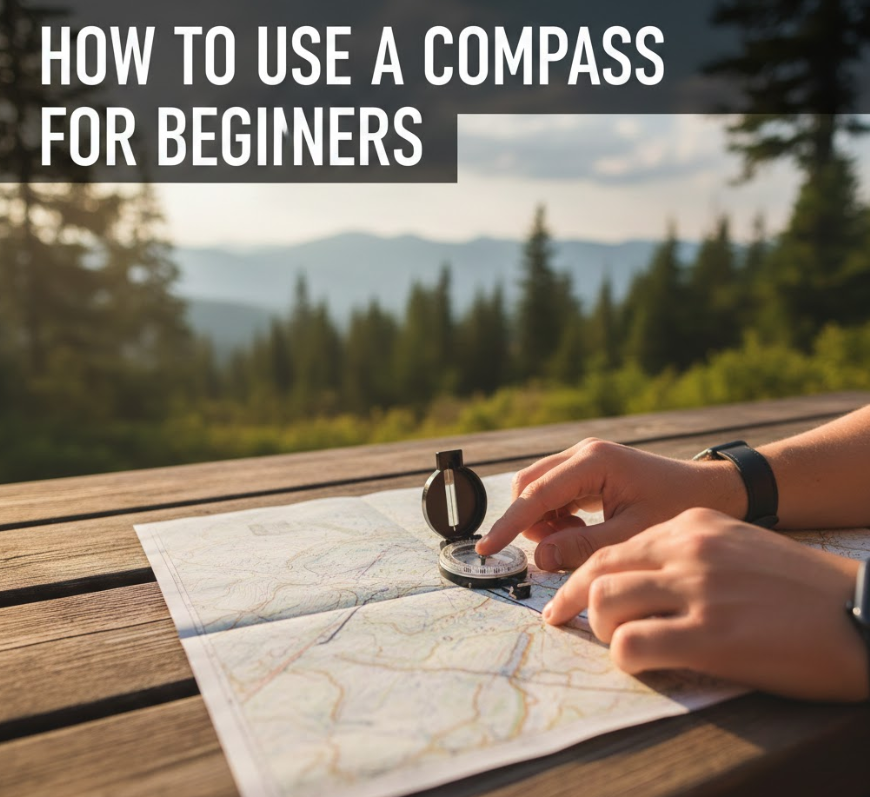
This section introduces core compass concepts in simple terms.
• Understand basic compass parts
A compass consists of a magnetic needle, housing, bezel, and direction markings. Learning these parts builds confidence before navigation.
• Learn cardinal directions
North, South, East, and West form the foundation of all compass use.
• Hold the compass correctly
Keeping it flat ensures accurate needle movement.
• Avoid magnetic interference
Metal objects and electronics can affect readings.
• Practice in open spaces
Fields or parks reduce interference and confusion.
• Build repetition habits
Frequent use improves instinctive understanding.
How to Use a Compass Step by Step
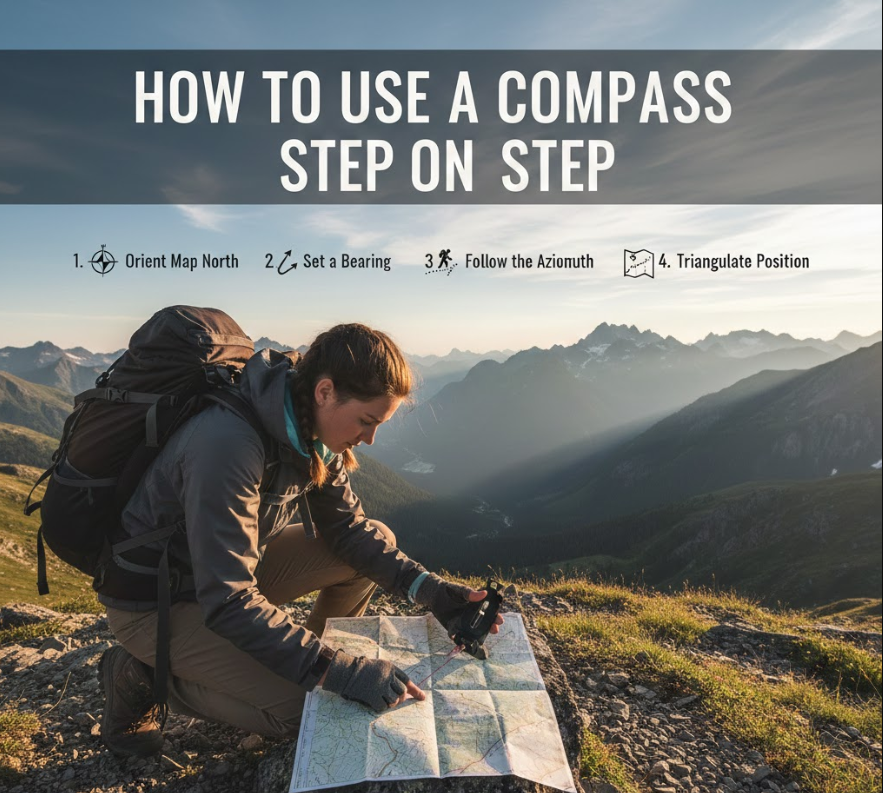
Step-by-step use ensures accuracy and safety.
• Place the compass flat in your palm
Level positioning allows the needle to align properly.
• Rotate your body, not the compass
This keeps the reading stable and accurate.
• Align the needle with north
Red needle tips usually point north.
• Read direction markings clearly
Degrees or cardinal letters indicate heading.
• Choose a visible landmark
Helps maintain direction while moving.
• Recheck direction frequently
Prevents gradual drifting off course.
Also Read This:- What Does a Game Publisher Do? A Complete and In-Depth Explanation
How to Use a Compass to Find Direction
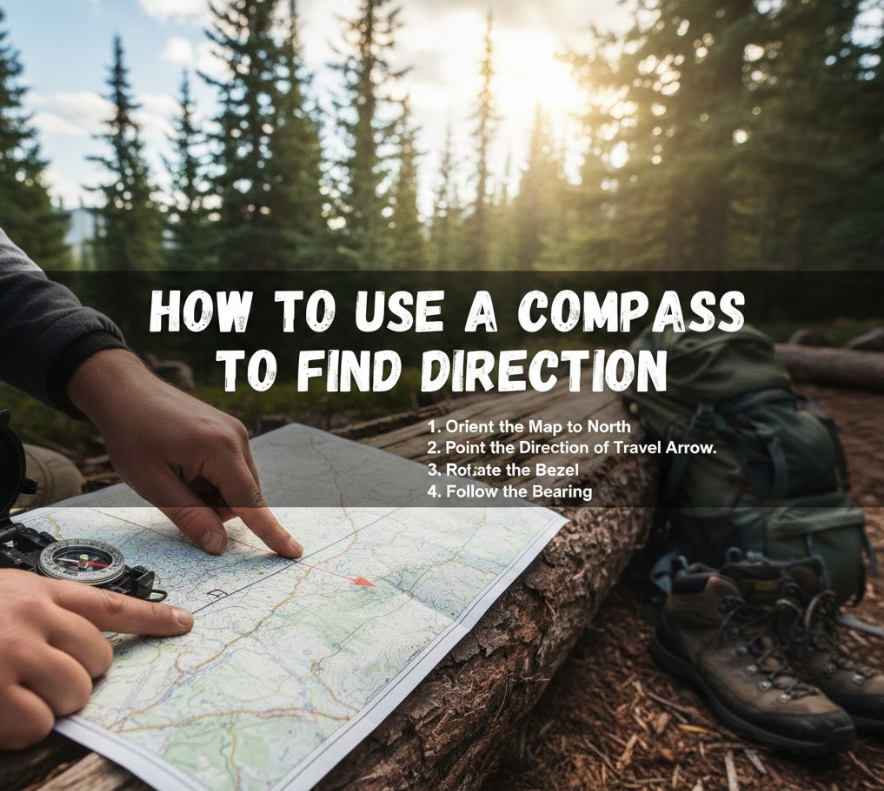
Finding direction is the primary function of a compass.
• Identify magnetic north first
All other directions reference this point.
• Understand true vs magnetic north
Magnetic north shifts over time and location.
• Use declination adjustment if needed
Maps often account for true north differences.
• Align your body with heading
Ensures consistent travel direction.
• Track progress visually
Landmarks confirm accuracy.
• Correct course regularly
Small adjustments prevent major errors.
How to Use a Compass Without a Map
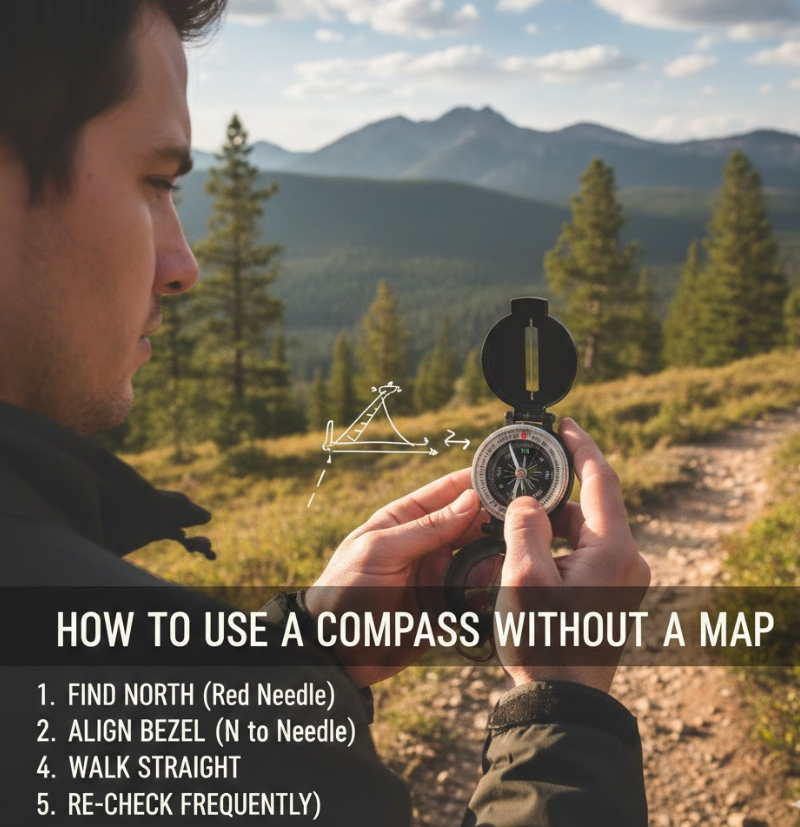
Compasses work independently of maps.
• Face north intentionally
Establish orientation before moving.
• Use natural landmarks
Trees, ridgelines, or buildings help navigation.
• Choose a fixed bearing
Follow a consistent direction.
• Avoid zigzag walking
Straight paths preserve accuracy.
• Track time and distance mentally
Helps estimate position.
• Reorient frequently
Keeps awareness sharp.
Also Read This:- What Does Media Upload Mean on Snapchat? A Complete User-Friendly Guide
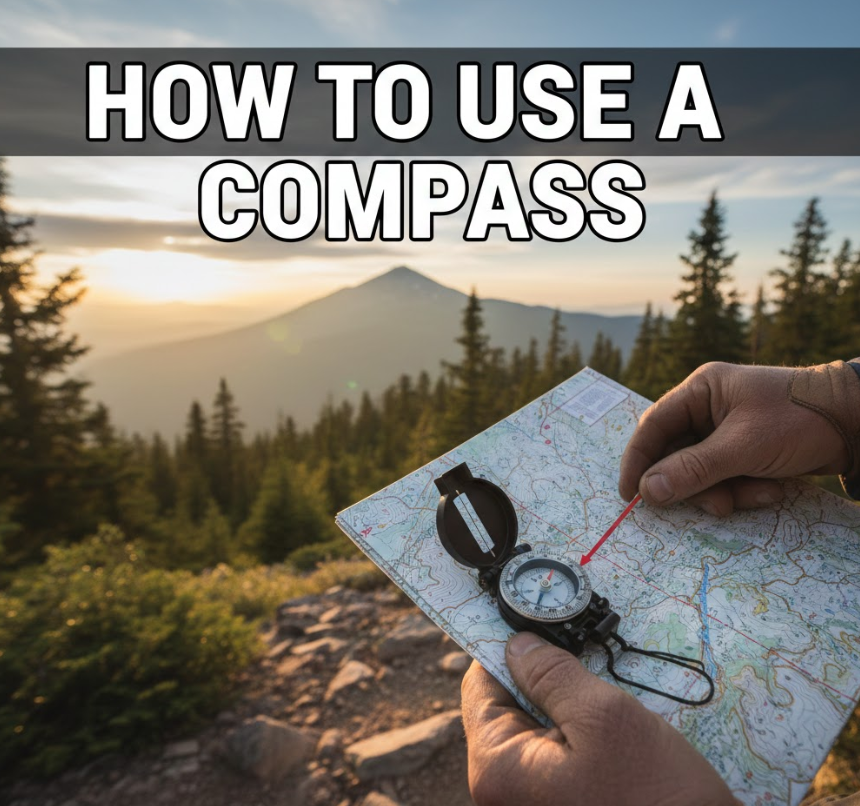
How to Use a Compass With a Map
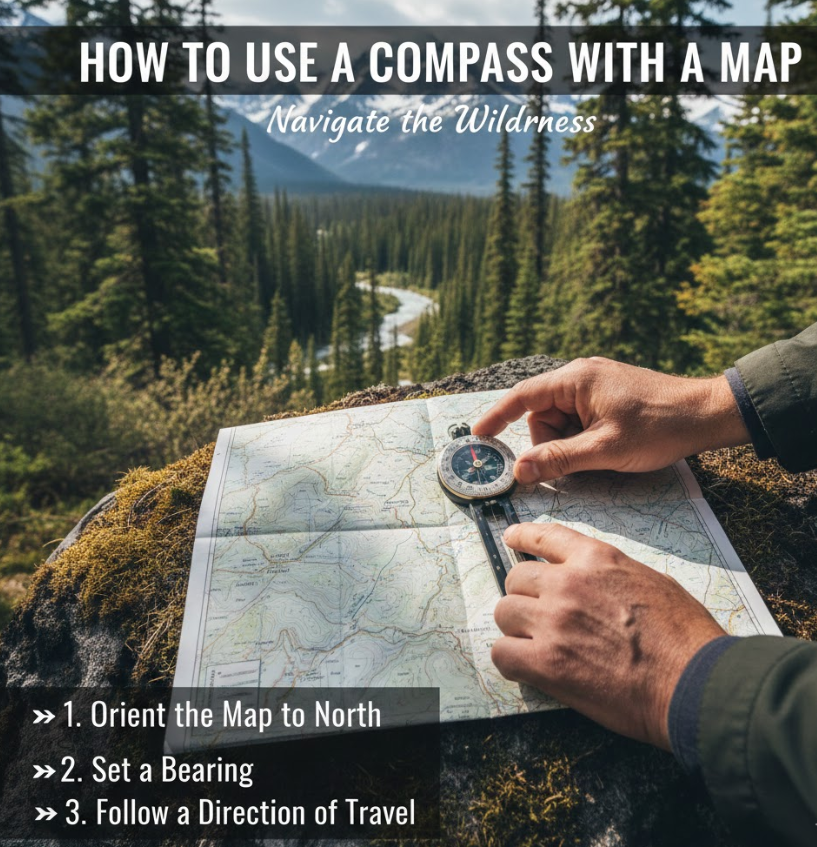
Combining a map and compass improves precision.
• Orient the map to north
Align map features with real terrain.
• Match compass north to map north
Ensures accurate bearings.
• Use map scale wisely
Understand distance traveled.
• Identify landmarks on both
Visual confirmation reduces mistakes.
• Plot bearings carefully
Precision matters for long distances.
• Practice before relying on it
Skill builds through repetition.
How to Use a Compass on a Map
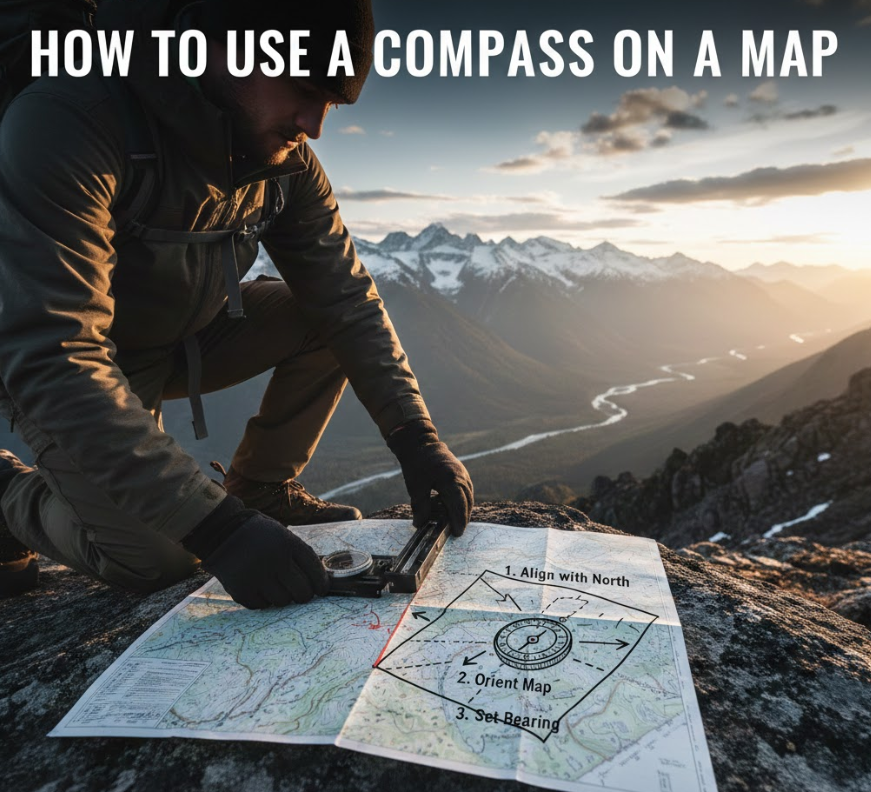
Map-specific compass techniques require accuracy.
• Place compass edge along route
Aligns direction precisely.
• Rotate bezel to north lines
Matches grid orientation.
• Read bearing clearly
Degrees indicate exact direction.
• Transfer bearing to real world
Rotate body, not compass.
• Verify with landmarks
Confirms navigation success.
• Adjust for declination
Ensures real-world accuracy.
Also Read This:- What Does Media Upload Mean on Snapchat? A Complete User-Friendly Guide
How to Use a Compass Rose
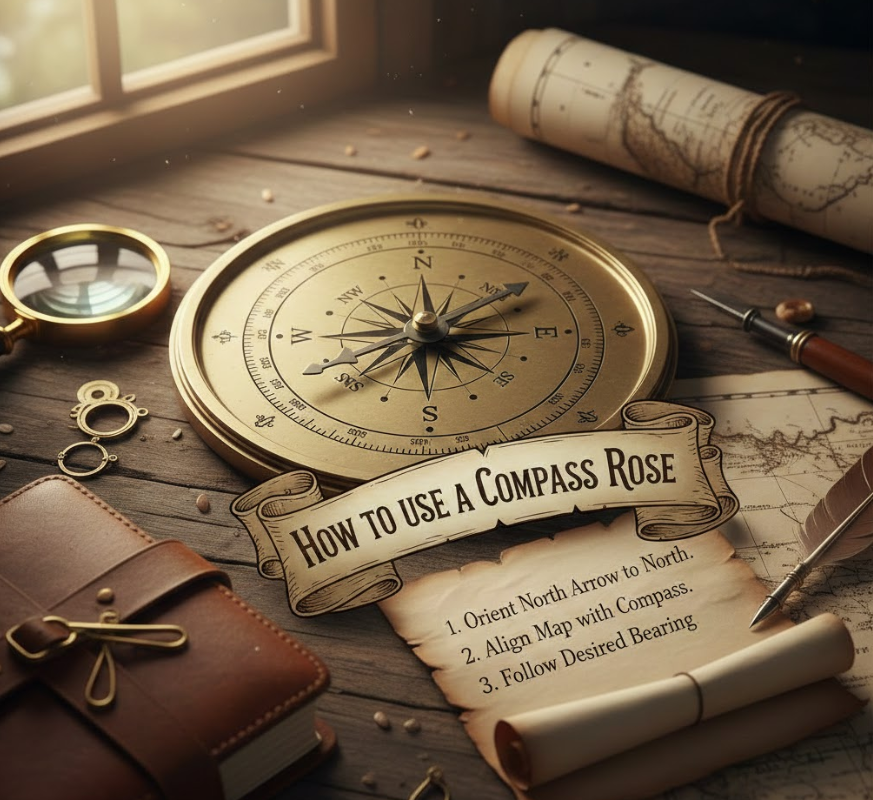
Compass roses explain directional reference.
• Understand rose symbols
Indicate cardinal and intercardinal directions.
• Use rose as orientation guide
Maps and charts rely on it.
• Match compass needle to rose
Aligns map and environment.
• Identify intermediate directions
NE, NW, SE, SW improve accuracy.
• Apply to navigation planning
Helps route selection.
• Teach spatial awareness
Useful for education and travel.
How to Use a Compass to Navigate Outdoors
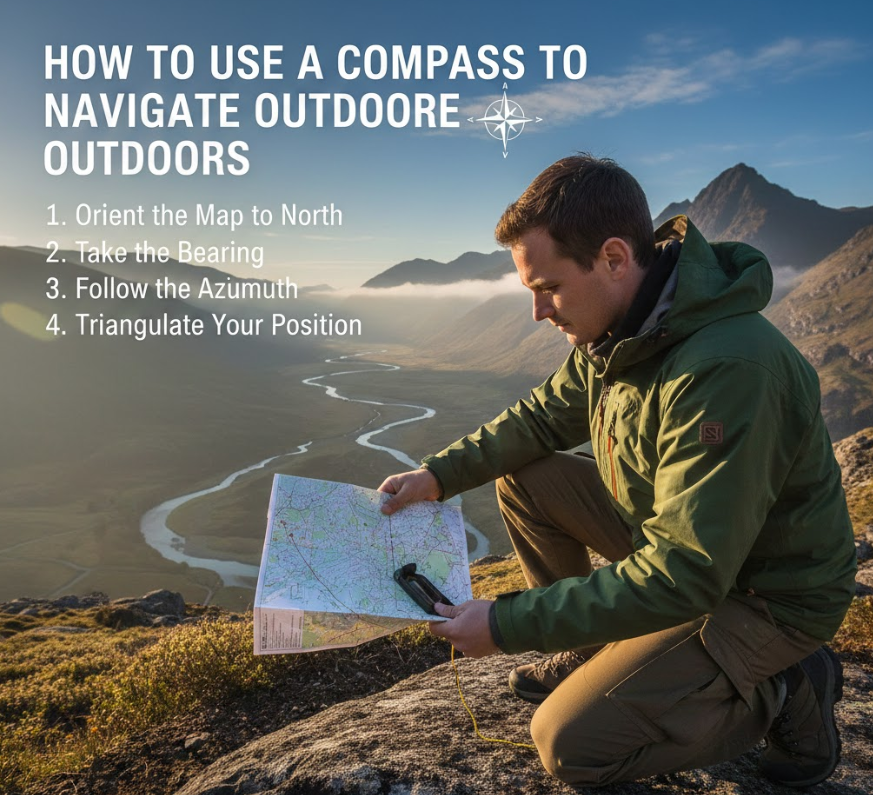
Outdoor navigation combines skill and awareness.
• Set a clear bearing
Choose direction before moving.
• Walk toward fixed points
Avoid constant compass checking.
• Account for terrain obstacles
Adjust safely around hazards.
• Check direction after obstacles
Reconfirm bearing.
• Maintain pace awareness
Distance tracking aids navigation.
• Stay calm if disoriented
Reorient using compass basics.
Also Read This:- How to Make Ramen Chips: A Step-by-Step Guide to Crispy Homemade Snacks
How to Use a Compass Watch
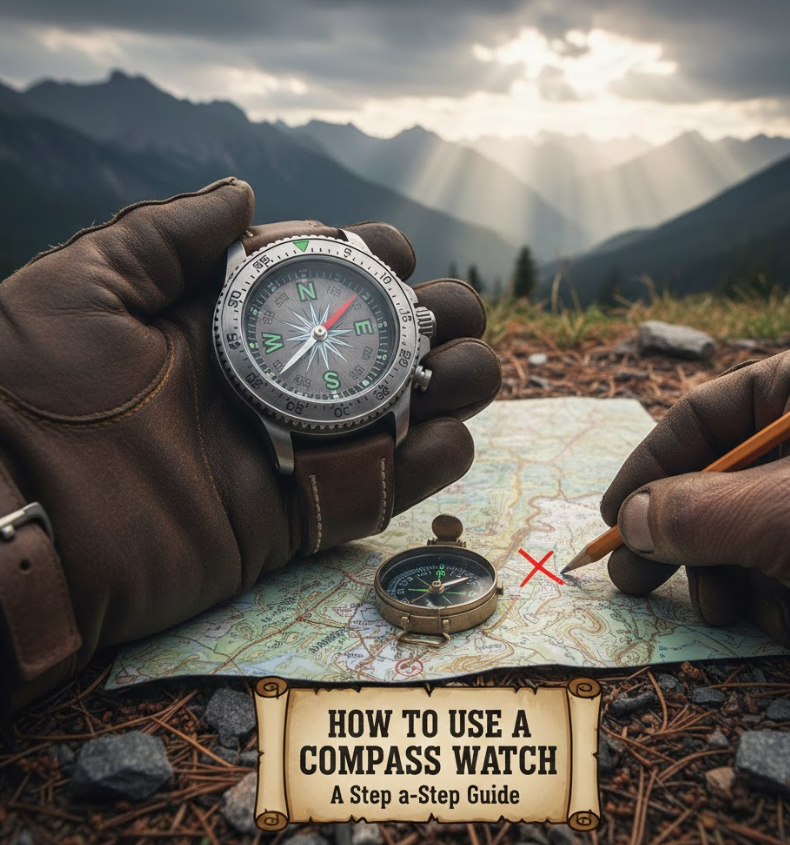
Compass watches offer convenience.
• Calibrate before use
Ensures accurate readings.
• Hold wrist level
Tilting causes errors.
• Avoid metal interference
Bracelets or tools affect readings.
• Use for quick orientation
Not long-distance navigation.
• Combine with visual landmarks
Improves reliability.
• Check battery or mechanical health
Functionality matters.
How to Use a Compass While Scuba Diving
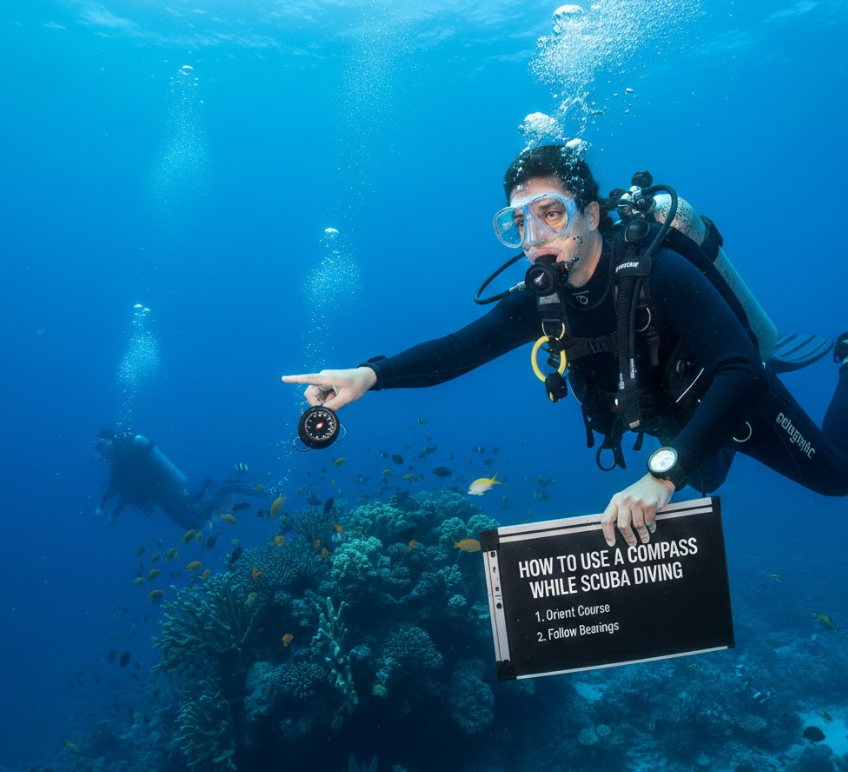
Underwater navigation demands precision.
• Use dive-specific compass
Designed for pressure and visibility.
• Maintain horizontal position
Ensures needle stability.
• Set heading before descent
Orientation starts at surface.
• Count kick cycles
Estimates distance underwater.
• Use natural underwater features
Reefs and sand patterns help.
• Practice in shallow water first
Builds confidence safely.
Also Read This:- How to Make Microsoft Edge the Default Browser: A Complete Guide
How to Use a Compass in Minecraft
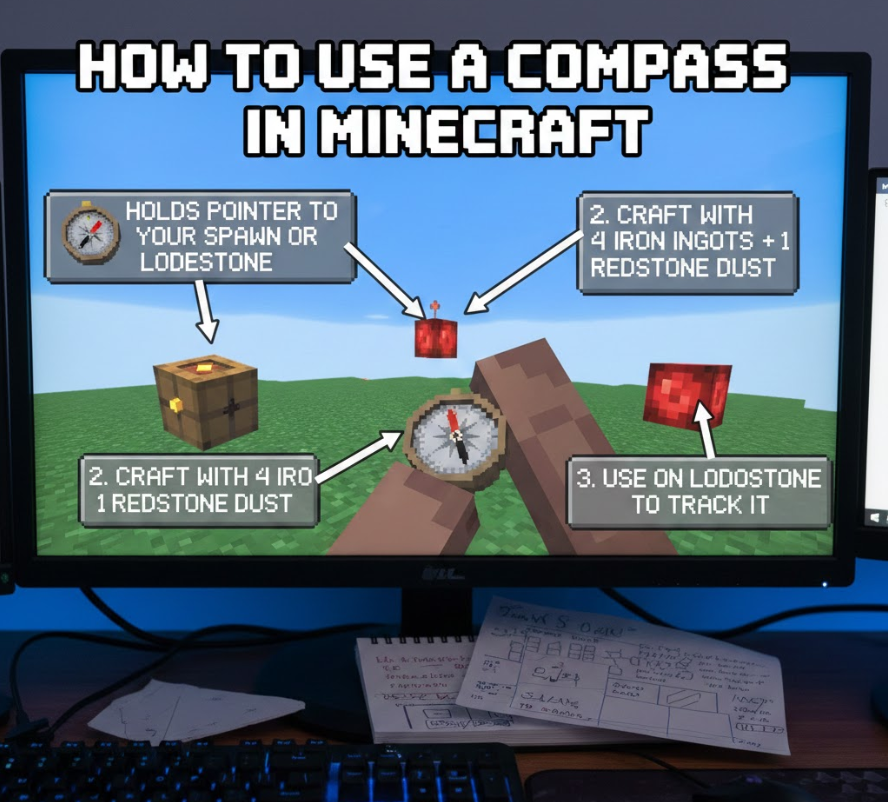
Digital compasses mimic real concepts.
• Understand spawn-point behavior
Minecraft compasses point to spawn.
• Use with maps strategically
Helps locate home base.
• Carry during exploration
Prevents permanent loss.
• Learn in-game mechanics
Educational for beginners.
• Combine with coordinates
Enhances navigation.
• Apply concepts to real life
Builds spatial reasoning.
How to Use a Compass for Kids
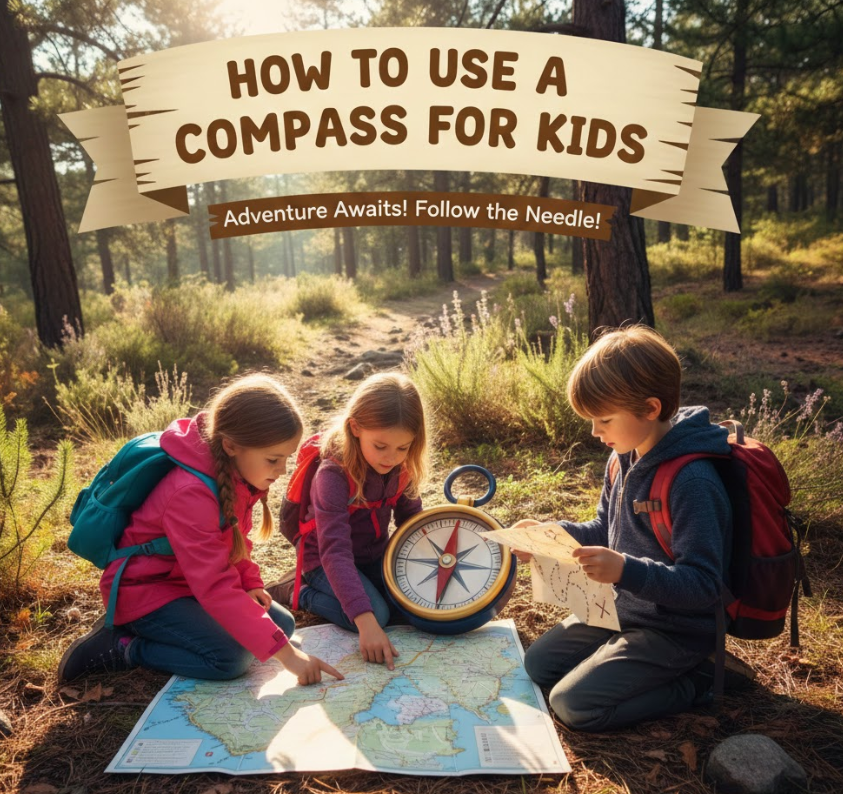
Teaching children builds lifelong skills.
• Start with simple directions
North and South first.
• Use games and activities
Treasure hunts engage learning.
• Explain magnetism visually
Hands-on demos help understanding.
• Keep lessons short
Attention spans matter.
• Practice outdoors
Real environments reinforce learning.
• Encourage curiosity
Questions deepen understanding.
Also Read This:- How to Make an Outdoor Fireplace: A Complete DIY and Design Guide
How to Use a Compass Math
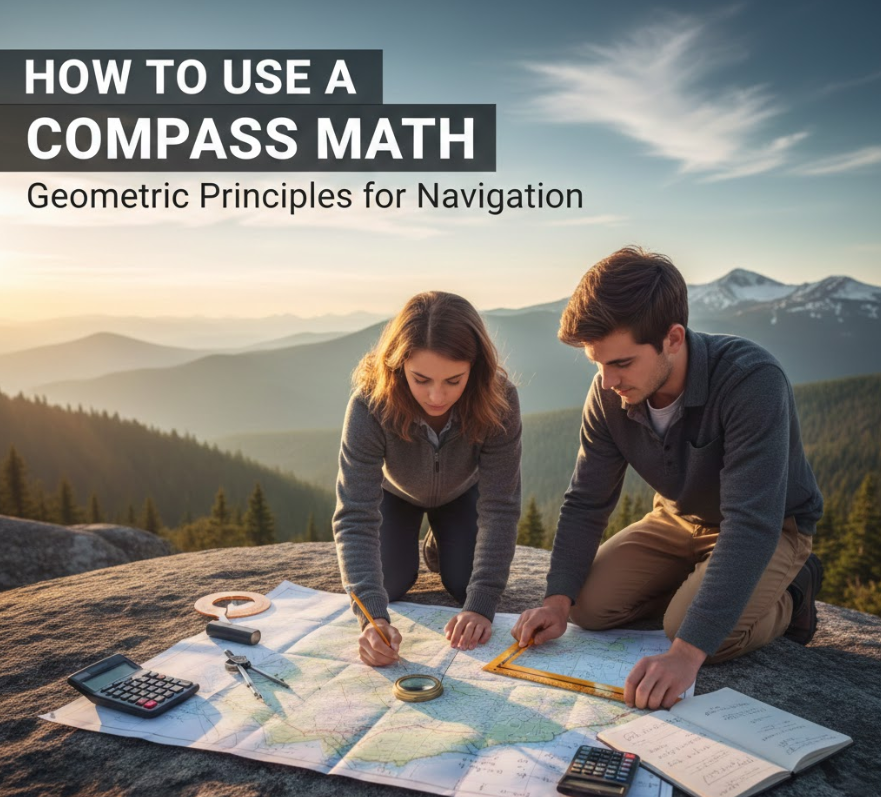
Math compasses differ from navigation tools.
• Understand geometry purpose
Used for drawing shapes.
• Adjust radius carefully
Precision is essential.
• Hold center steady
Prevents shape distortion.
• Rotate smoothly
Creates clean lines.
• Practice symmetry exercises
Builds spatial skills.
• Combine with ruler
Accurate constructions depend on both.
How to Use a Compass Geometry

Geometry compasses focus on precision.
• Set exact measurements
Accuracy defines geometry.
• Mark points clearly
Clean intersections matter.
• Draw arcs carefully
Smooth motion improves clarity.
• Use pencil control
Sharp pencils improve accuracy.
• Verify measurements
Double-check before finalizing.
• Apply to real-world problems
Engineering and design rely on it.
Also Read This:- How to Fix Wireless Internet: A Complete Troubleshooting and Optimization Guide
How to Use a Compass and Protractor
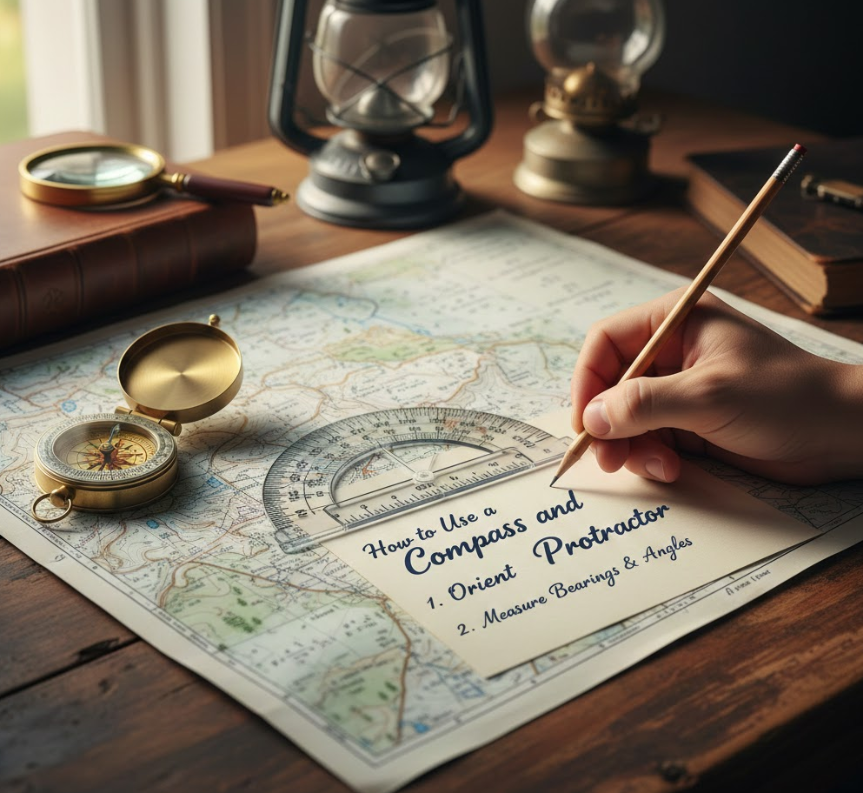
These tools complement each other.
• Measure angles with protractor
Defines orientation.
• Transfer angles using compass
Ensures accuracy.
• Align tools properly
Misalignment causes errors.
• Practice geometric constructions
Builds precision skills.
• Use in navigation exercises
Maps and bearings overlap.
• Develop spatial reasoning
Improves problem-solving.
How to Use a Compass to Draw a Circle
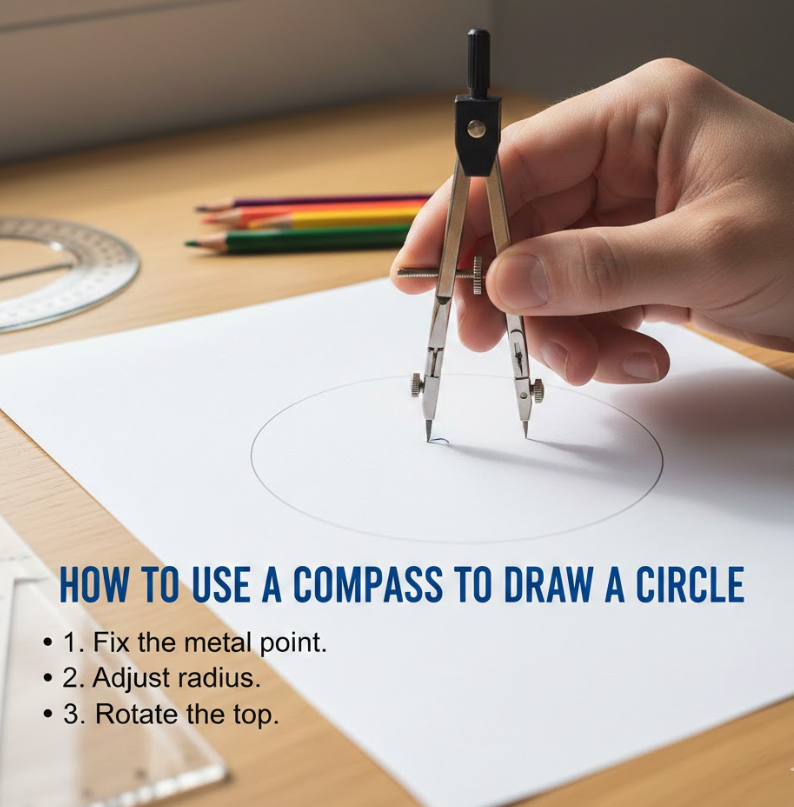
Drawing circles requires control.
• Set radius accurately
Defines circle size.
• Anchor center firmly
Prevents slipping.
• Rotate evenly
Smooth motion creates clean edges.
• Avoid lifting mid-draw
Prevents breaks.
• Check symmetry afterward
Ensures correctness.
• Practice with different sizes
Improves dexterity.
Also Read This:- How to Fix Wireless Internet: A Complete Troubleshooting and Optimization Guide
How to Use a Compass PDF (Learning Resources)
PDF guides support learning.
• Choose reputable sources
Educational or outdoor organizations.
• Print for field use
Paper doesn’t need batteries.
• Follow diagrams carefully
Visual aids improve understanding.
• Combine with real practice
Theory alone is insufficient.
• Update materials regularly
Techniques evolve.
• Share for group learning
Enhances safety and knowledge.
Conclusion: Why Mastering How to Use a Compass Still Matters
Learning how to use a compass builds independence, confidence, and safety across many areas of life, from outdoor navigation and education to diving, geometry, and even digital environments. A compass teaches spatial awareness, patience, and problem-solving skills that technology alone cannot replace. Mastery comes from practice, understanding fundamentals, and respecting the tool’s simplicity and power.
FAQs
Is a compass still useful with GPS?
Yes. A compass works without batteries or signal.
Does a compass work everywhere?
It works globally but requires declination adjustment.
Can kids learn to use a compass?
Absolutely. Simple activities make it engaging.
Visit For More Information go to:- Virtualsmagazine