
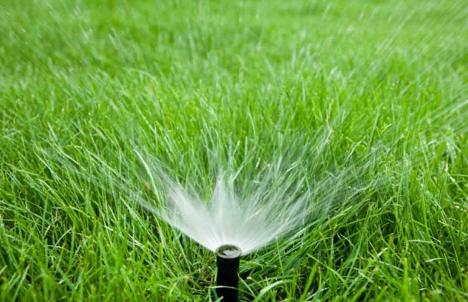

Grass care across southern Alberta often feels simple until dry wind shows up. You step outside, soil looks dusty, sprinkler sits ready, yet question remains about right hour for adding moisture. Many homeowners guess, sometimes early morning, sometimes late evening, hoping green colour holds through summer heat. I think most people learn through small mistakes first, usually after a brown patch appears near driveway. Local climate brings sharp temperature swings, strong gusts, plus long sunny stretches. Moisture placed at wrong moment can vanish fast, especially during hot spells. PROPERTY WERKS crews often notice similar patterns while mowing client yards. Turf that receives irrigation during cooler periods tends to stay thicker, while midday soaking rarely lasts long. You may feel tempted to run sprinklers after work, yet air conditions at dusk can change results more than expected. Your own schedule matters too. Some residents leave early for work; others prefer evening yard routines. Still, grass roots react more to soil temperature and airflow than personal convenience. A short session at a calm, cool hour can support deeper root growth. Longer soaking during bright sun may look generous, yet ground absorbs less than you might think. This guide focuses on practical choices shaped by southern Alberta weather patterns. You will see how season length, overnight cooling, and municipal habits influence irrigation planning. Small adjustments often bring noticeable improvement. Nothing complicated, just steady attention and a bit of observation across several weeks.
Choosing Ideal Irrigation Hours Around Climate and Local Conditions
Southern Alberta brings sharp contrasts across a single day. Cool dawn air, dry afternoon heat, then rapid evening cooling all shape how moisture settles into turf. PROPERTY WERKS mowing crews often notice that yards receiving irrigation during calmer, cooler periods hold colour longer through July and August. You might assume longer sprinkler runs solve dryness, yet shorter sessions placed at smarter moments often support deeper rooting. Wind deserves more attention than most homeowners give it. Prairie gusts pull moisture away before soil absorbs it. I once watched a neighbour run sprinklers during a bright, breezy afternoon; half of that spray drifted toward a fence instead of reaching grass. Your yard may look soaked from above, yet roots stay thirsty underneath. Choosing quieter hours reduces waste and keeps distribution more even. Seasonal shifts matter as much as daily weather. Early spring mornings can sit near freezing, especially after clear nights. Adding moisture too early may leave surfaces damp longer than expected, which slows growth and invites patchy areas. Mid summer behaves differently. Overnight cooling creates a short window where soil accepts moisture more willingly. PROPERTY WERKS teams often suggest checking blades before mowing. If footwear becomes wet long after sunrise, irrigation probably happened too late during a previous cycle. Soil composition changes results from one property to another. Sandy ground drains quickly; lighter, repeated soaking often works better there. Clay sections hold moisture longer and can compact if oversaturated. Walk across your yard after irrigation finishes. If footprints sink or remain visible, pause next session for a day or two. Small observations like this guide scheduling better than guesswork. Local rules and neighbourhood habits also shape planning. Dry summers sometimes bring municipal limits on outdoor sprinklers. Many residents adjust routines around those permitted hours, often early morning or late evening. That pattern actually suits prairie conditions. Cooler air slows evaporation, and calmer streets mean fewer interruptions. A modest shift in routine, maybe setting a timer before bed or before leaving for work, can keep turf steady through heat waves and windy stretches.
Morning vs Evening Irrigation Choices Based on Southern Alberta Temperature Swings
Cool sunrise hours often give turf a stronger start. Air stays calmer, ground still holds overnight chill, and moisture settles closer to roots instead of lifting into dry prairie air. PROPERTY WERKS mowing crews regularly notice thicker growth on properties soaked early in a day. You may feel tempted to run sprinklers after dinner because it fits your schedule, yet temperature drops after sunset can leave blades damp longer than expected. That can slow recovery after mowing or heavy foot traffic.
Early Day Advantages Compared With Late Day Irrigation
Morning sessions usually match southern Alberta climate patterns. Nights cool quickly, then sun climbs fast. Giving soil moisture before heat builds allows absorption before evaporation speeds up. Many homeowners report fewer dry patches near sidewalks or driveways after switching routines.
- Cool air reduces moisture loss.
- Wind speeds stay lower before mid morning.
- Grass surfaces dry sooner after sunrise, lowering fungal risk.
- Municipal irrigation limits often allow early hours.
Evening soaking still works under certain conditions, especially during heat waves or busy workweeks. Some yards face strong morning shade from fences or houses, which delays drying and can feel inconvenient. If you choose later hours, keep sessions shorter and watch overnight moisture closely. Walk across turf next morning. If shoes come back wet, reduce duration next cycle. Small adjustments like that often matter more than strict schedules, and your yard will show you what it prefers after a few weeks of observation.
How Wind Patterns and Dry Air Shape Daily Irrigation Scheduling Across Conditions
Southern Alberta air often feels dry long before summer heat peaks. Chinook winds and open prairie exposure pull moisture upward faster than many homeowners expect. PROPERTY WERKS mowing crews regularly see yards soaked during bright afternoons that still show stress a day later. Moisture never reached roots deeply enough. You may assume longer sprinkler runs solve that issue, yet airflow often carries spray away before soil absorbs it. Wind direction also matters. Strong gusts shift spray patterns, especially with rotating sprinklers. A section near a fence may receive plenty, while open areas remain dry. I have noticed this on corner properties where airflow moves freely across driveways. Checking coverage during a calm period often reveals uneven soaking you never noticed before. Air humidity stays low through much of growing season. Moisture disappears quickly once sun climbs higher. Early calm hours usually allow better penetration into soil. Later soaking can still work, though overnight dampness may linger longer on grass blades.
| Condition | Typical Prairie Effect | Suggested Adjustment |
|---|---|---|
| Strong afternoon wind | Spray drift and rapid drying | Shift irrigation earlier or later during calmer air |
| Low humidity | Surface evaporation increases | Use shorter cycles repeated across several days |
| Hot sunshine | Moisture loss within minutes | Avoid midday soaking sessions |
| Cool overnight air | Slower evaporation | Allow soil absorption before sunrise warmth |
PROPERTY WERKS teams often recommend observing small signals instead of relying only on schedules. Watch sprinkler mist during operation. If droplets drift sideways or appear to vanish before landing, airflow is working against you. Turning system off and waiting a couple of hours may save more moisture than extending duration. Another factor involves soil surface temperature. Dry wind combined with strong sun heats upper layers quickly. Moisture applied during those periods often flashes away before travelling downward. You may notice darker colour for an hour or two, then fading again by evening. That pattern usually signals evaporation rather than absorption. Neighbourhood layout can change airflow too. Open backing onto fields behaves differently from streets lined with fences or trees. Corners, slopes, and raised decks create pockets where gusts accelerate. Walk around your yard during a breezy afternoon. Flags, leaves, or even lightweight toys show how air moves across grass. Short repeated soaking sessions sometimes work better under prairie dryness. Instead of one long cycle, consider two lighter ones during calmer parts of a day. Soil accepts moisture gradually, especially in sandy areas common around southern Alberta properties. Clay sections benefit from pauses between cycles so pooling does not occur. Pay attention after mowing as well. Freshly cut turf loses moisture faster through exposed leaf edges. PROPERTY WERKS crews often suggest avoiding irrigation immediately during windy periods after cutting. Waiting until calmer air returns helps moisture settle evenly. Small scheduling changes like this reduce waste and support steadier growth across changing prairie conditions.
PROPERTY WERKS Contact Information:
Address
1017 1 Ave NE, Calgary, AB T2E 0C9
Phone
403 239-1269
Website
http://www.propertywerks.ca/lethbridge
Hours of operation
Monday 9 a.m.–5 p.m. Tuesday 9 a.m.–5 p.m. Wednesday 9 a.m.–5 p.m. Thursday 9 a.m.–5 p.m. Friday 9 a.m.–5 p.m. Saturday 9 a.m.–5 p.m. Sunday Closed Online service – Open 24 Hours / 7 days
Q&A:
How early in the morning should I run sprinklers during hot summer periods?
Most yards in southern Alberta respond well to irrigation shortly after sunrise, while air remains cool and wind is usually calmer. Moisture has a better chance to move into soil instead of evaporating. Many homeowners notice that running sprinklers between about 5:00 and 8:00 a.m. keeps grass greener through heat waves. If you leave for work early, using an automatic timer helps maintain consistency without daily effort.
Is evening watering a bad idea if mornings are not possible for my schedule?
Evening irrigation can still work, especially for people who cannot manage early hours. The main concern involves moisture sitting on grass blades overnight. Long periods of surface dampness may encourage fungal spots or thinning areas. Shorter sessions help reduce that risk. Try finishing irrigation before full darkness so blades have some drying period while air still moves.
How do strong prairie winds affect sprinkler performance?
Wind changes spray direction more than many people expect. Rotating heads can lose a large portion of their coverage during gusty afternoons. You may see wet sidewalks while dry patches remain several feet away. Running sprinklers during calmer parts of the day usually improves distribution. Watching the spray pattern for a few minutes during operation often reveals whether airflow is causing problems.
Should watering frequency change between spring and mid summer?
Yes, seasonal adjustment matters. Spring soil often holds snowmelt and cooler temperatures slow evaporation, so fewer sessions are needed. By July or August, dry air and higher temperatures increase moisture loss. Many properties shift from once or twice per week in May to two or three lighter sessions weekly during peak heat. Always check soil depth with a screwdriver or small shovel. Moisture reaching 10 to 15 centimetres below surface usually supports stronger roots.
Can mowing schedules affect watering decisions?
They can. Freshly cut grass loses moisture faster because leaf surfaces are exposed. PROPERTY WERKS crews often suggest avoiding irrigation immediately before mowing since wet turf cuts unevenly and clippings clump together. A good approach involves watering earlier in the day before a mowing visit or waiting until later after cutting once grass has settled. This helps maintain cleaner cuts and steadier growth through the season.
Is it better to irrigate early morning or late evening in southern Alberta?
Early morning generally works well because air is cooler and calmer, which helps moisture reach roots instead of evaporating. PROPERTY WERKS crews often notice yards that receive irrigation before sunrise stay greener and firmer through hot afternoons. Evening sessions can still help, but leaving moisture on blades overnight may encourage thinning spots or minor fungal growth. Shorter cycles and monitoring soil dampness help reduce that risk.
How do wind and dry air affect irrigation results in Lethbridge?
Strong gusts can shift sprinkler spray away from intended areas, leaving dry patches even if sidewalks or driveways look wet. Low humidity accelerates surface evaporation, so moisture often disappears before reaching roots. To adjust, try running sprinklers during calmer periods, use shorter repeated sessions, and watch spray patterns closely. Observing soil depth after irrigation helps determine whether enough moisture actually penetrated for healthy grass growth.