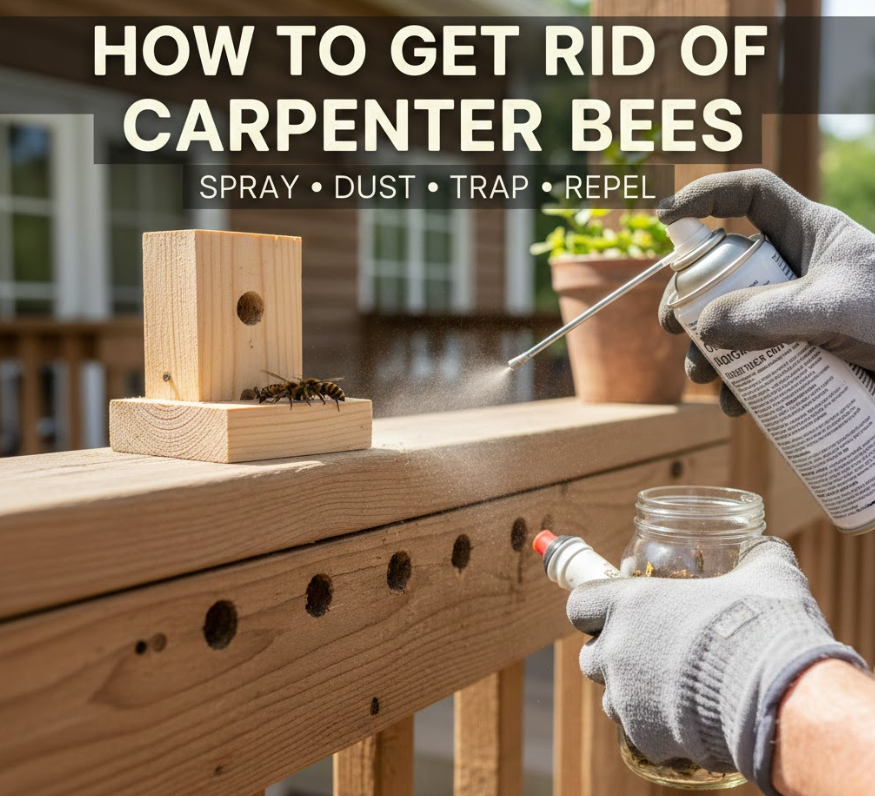

Carpenter bees are fascinating yet destructive insects that can cause significant damage to wooden structures around your home. If you’ve noticed small holes in your porch, deck, or eaves, you might be dealing with an infestation. Knowing how to get rid of carpenter bees is essential not only to protect your property but also to manage these insects safely. This guide provides step-by-step strategies, from natural remedies to DIY and chemical methods, to help you eliminate carpenter bees permanently and prevent future infestations.
We’ll explore ways to remove carpenter bees from decks, porches, and wooden furniture, as well as safe approaches for those who prefer not to harm the bees. Additionally, this guide addresses common questions such as removing nests, using household items like vinegar or WD-40, and combining prevention techniques with long-term solutions.
How to Get Rid of Carpenter Bees Naturally
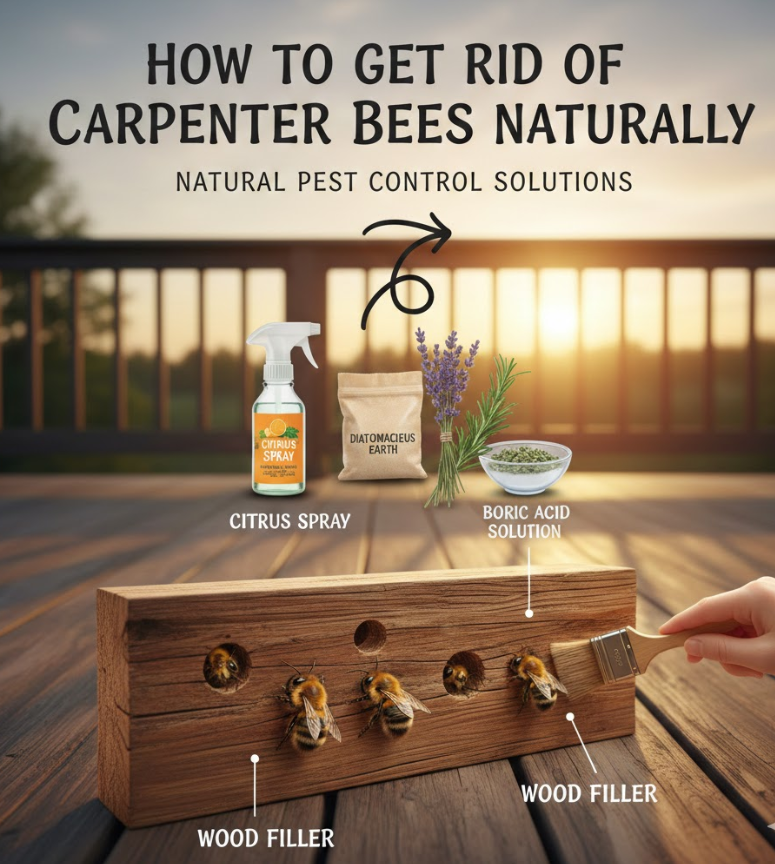
Natural methods provide an eco-friendly way to deter and remove carpenter bees without resorting to harsh chemicals. These methods focus on making your home less attractive to bees while discouraging them from nesting.
- Essential Oils Spray: Mix peppermint, citronella, or tea tree oil with water and spray around areas where bees frequent. Bees dislike the scent, which acts as a deterrent without killing them.
- Plant Bee-Repellent Herbs: Herbs like eucalyptus, citronella, and mint around your porch or deck can naturally repel carpenter bees. Planting them strategically can reduce bee activity.
- Diatomaceous Earth: Sprinkle food-grade diatomaceous earth near infested areas. It is non-toxic to humans and pets but damages the exoskeleton of bees, driving them away.
- Citrus Peels: Carpenter bees dislike citrus scents. Rub citrus peels on wooden surfaces or make a citrus spray to naturally repel bees from your deck or porch.
- Wood Sealing: Use natural wood finishes or oils like linseed or tung oil to protect wooden surfaces. Bees prefer untreated wood, so sealing cracks and holes discourages nesting.
- Avoid Attracting Nests: Remove old nests and debris from previous infestations. This minimizes the likelihood of new bees setting up home on your property.
Also Read This:- How to Get Ink Out of Clothes: Proven Methods That Actually Work
How to Get Rid of Carpenter Bees With WD-40
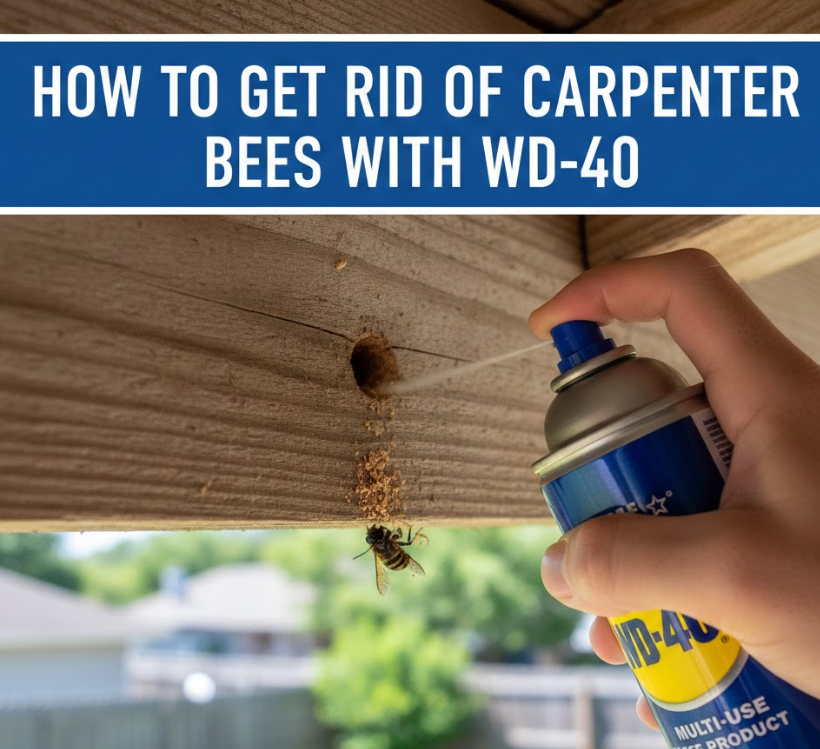
WD-40 is a versatile household product that can be surprisingly effective in controlling carpenter bees. While it doesn’t kill bees instantly, it can disrupt nesting and protect wood surfaces.
- Spray Into Active Holes: Spray WD-40 directly into the bee entry holes. This can drive the bees out and discourage them from returning.
- Lubricates and Protects Wood: WD-40 creates a thin layer that prevents bees from boring into the wood further, reducing future infestations.
- Non-Toxic Residue Removal: After spraying, clean surfaces to prevent residue accumulation that could attract dirt or mold.
- Repeat Applications: Multiple applications may be necessary for active or stubborn infestations. Regular monitoring ensures bees are removed effectively.
- Use With Protective Gear: Always wear gloves and protective eyewear when spraying, as WD-40 can irritate skin and eyes.
- Complementary Method: Combine with sealing and painting to ensure long-term prevention of carpenter bee activity.
Also Read This:- How to Replace Windshield Wipers: A Complete, Vehicle-Specific Guide for Safe Driving
How to Get Rid of Carpenter Bees Without Killing Them
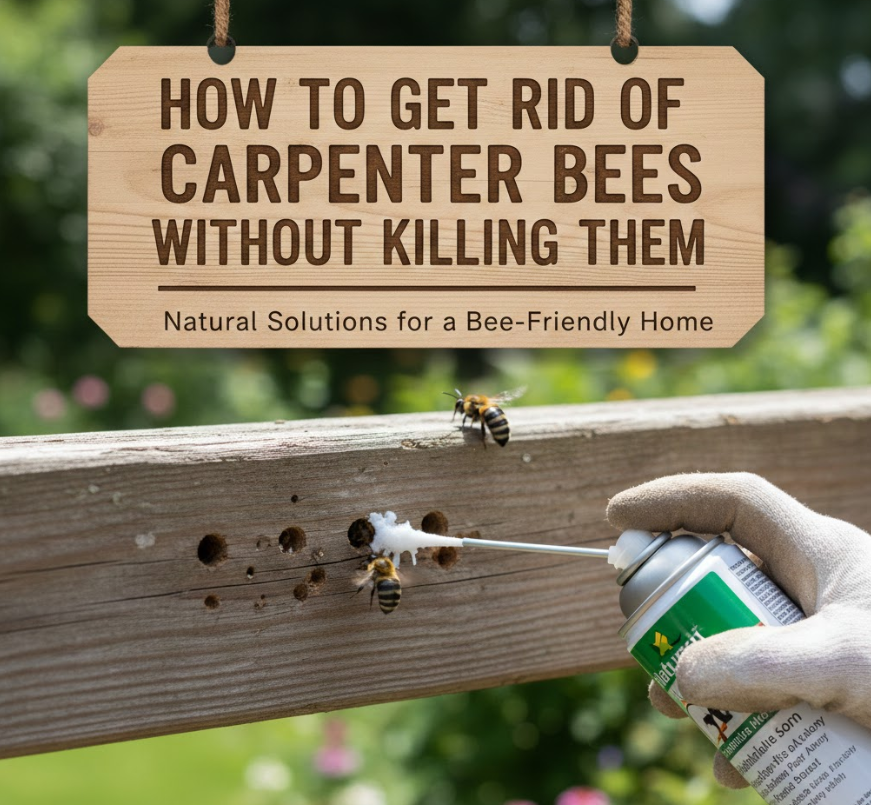
For those who value wildlife and prefer a non-lethal approach, there are ways to get rid of carpenter bees without killing them. The focus is on deterrence and exclusion.
- Bee Traps: Use traps that capture carpenter bees without harming them. Release the bees far from your home.
- Seal Holes After Evening Flight: Wait until bees are inside their nests at night and seal the entrance holes carefully. This traps no bees inside.
- Essential Oil Sprays: Natural repellents like peppermint oil discourage bees from returning.
- Cultural Practices: Avoid leaving untreated wood exposed; bees are less likely to nest in finished or painted surfaces.
- Noise Deterrents: Vibrations from deck or porch use can discourage bees from nesting nearby.
- Maintain Flower Beds Elsewhere: Providing a garden away from wooden structures keeps bees occupied elsewhere.
Also Read This:- How to Replace Windshield Wipers: A Complete, Vehicle-Specific Guide for Safe Driving
How to Get Rid of Carpenter Bees for Good
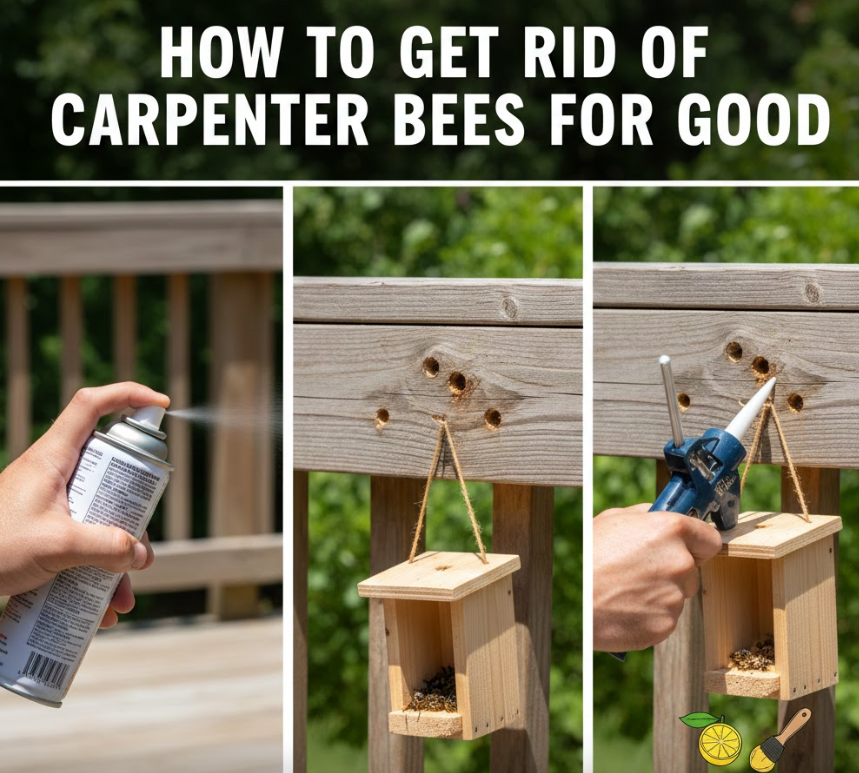
Permanent solutions involve a combination of chemical, natural, and preventive strategies to eliminate current infestations and prevent new ones.
- Seal and Paint Wood: Painted or varnished wood is less attractive to carpenter bees. Seal existing holes with wood filler.
- Apply Insecticidal Dust: Use insecticidal powders designed for carpenter bees inside existing nests for effective elimination.
- Install Bee Traps: Strategic trap placement reduces population over time.
- Regular Inspections: Check decks, eaves, and porches seasonally to identify early signs of infestation.
- Remove Old Nests: Clearing old nests prevents reuse by new generations.
- Maintain Landscaping: Trim vegetation and avoid overly exposed wood surfaces to deter bee attraction.
Also Read This:- How to Make Tea: The Ultimate Guide for Tea Lovers
How to Get Rid of Carpenter Bees in Wood
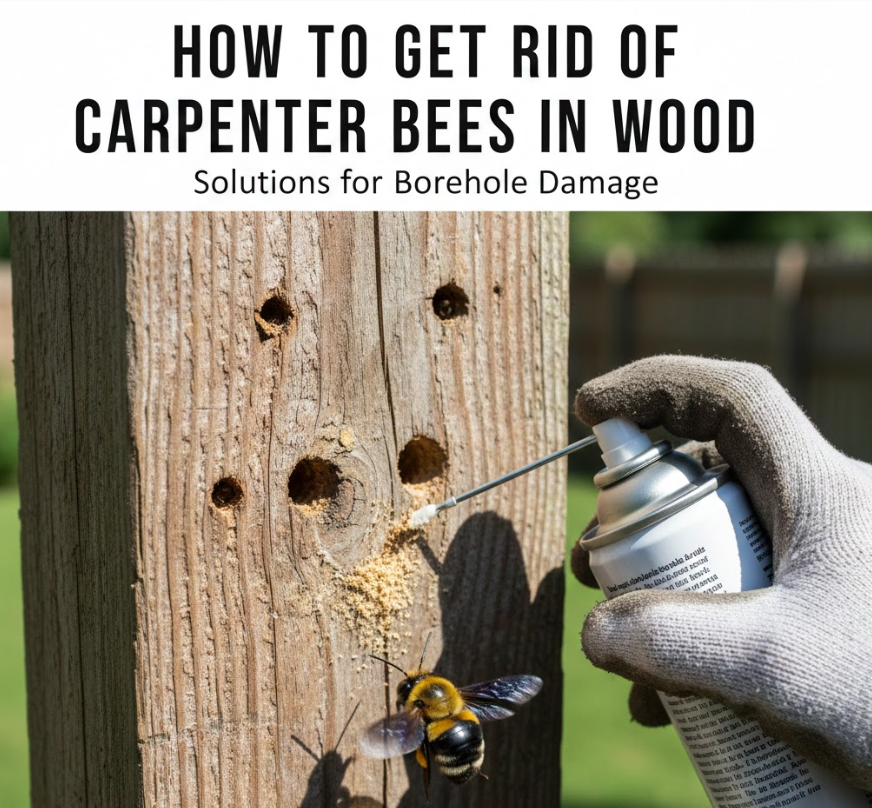
Wood is the primary target for carpenter bees, and knowing how to treat it is crucial for home maintenance.
- Drill Inspection Holes: Identify active nests and monitor bee activity.
- Use Borate Solutions: Borate-based wood treatments penetrate wood and make it uninhabitable for bees.
- Seal Boring Holes: After bees leave, fill holes with wood putty or caulk to prevent reuse.
- Paint or Stain Surfaces: Finished wood is less likely to be drilled by carpenter bees.
- Replace Severely Damaged Wood: In extreme infestations, replace affected beams or planks.
- Preventative Coatings: Apply oil-based finishes to newly installed wood to minimize future attacks.
Also Read This:- How to Make Powdered Sugar at Home Easily
How to Get Rid of Carpenter Bees With Vinegar
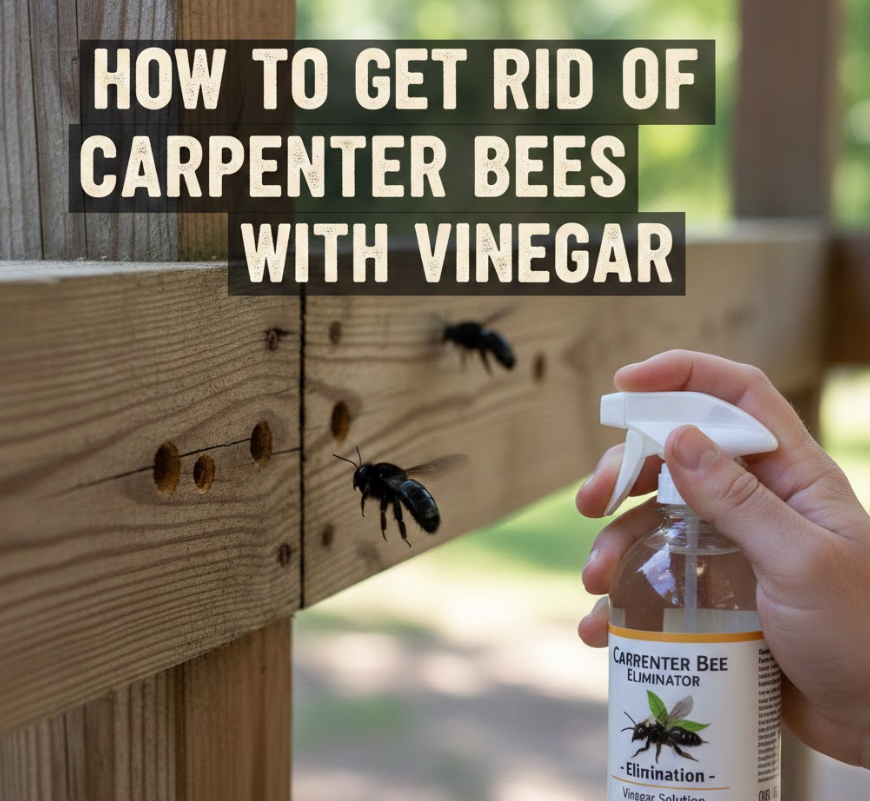
Vinegar is an accessible home remedy that can deter carpenter bees from nesting areas.
- Mix Vinegar Spray: Combine vinegar with water and spray directly on nests or wood surfaces.
- Target Active Holes: Spray inside entry holes to drive bees away.
- Repeat Regularly: Frequent applications increase effectiveness.
- Combine With Citrus: Vinegar plus citrus can create a stronger repellent scent.
- Safe Around Children and Pets: Non-toxic and environmentally friendly.
- Apply to Surrounding Areas: Spraying around decks, porches, and eaves keeps bees from returning.
How to Get Rid of Carpenter Bees on Decks and Porches
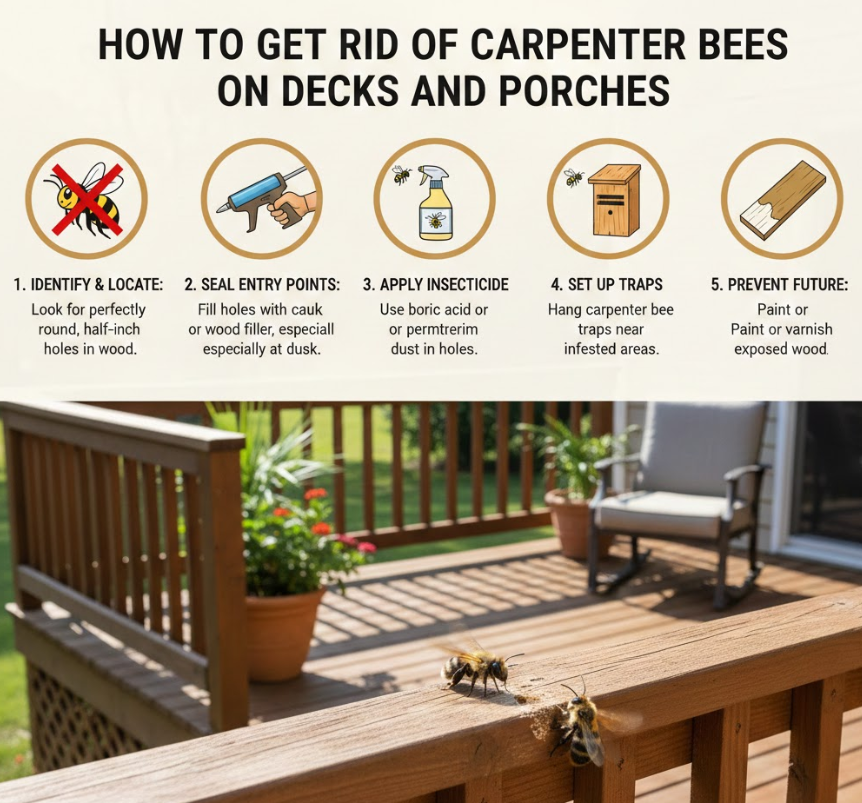
Decks and porches are common nesting sites. Proper maintenance and targeted treatments protect these structures.
- Identify Infested Boards: Look for round holes and sawdust “frass.”
- Spray Repellents: Use natural oils, vinegar, or insecticidal sprays on wood surfaces.
- Fill Old Holes: Prevent reuse of old nests with wood filler or caulk.
- Install Protective Netting: Cover vulnerable areas during active seasons.
- Routine Cleaning: Remove debris and sawdust to deter nesting.
- Monitor Seasonally: Regular inspections catch early signs of bee activity.
Also Read This:- How to Season a Cast Iron Skillet: Expert Tips for Perfect Non-Stick Cooking
How to Get Rid of Carpenter Bees Permanently
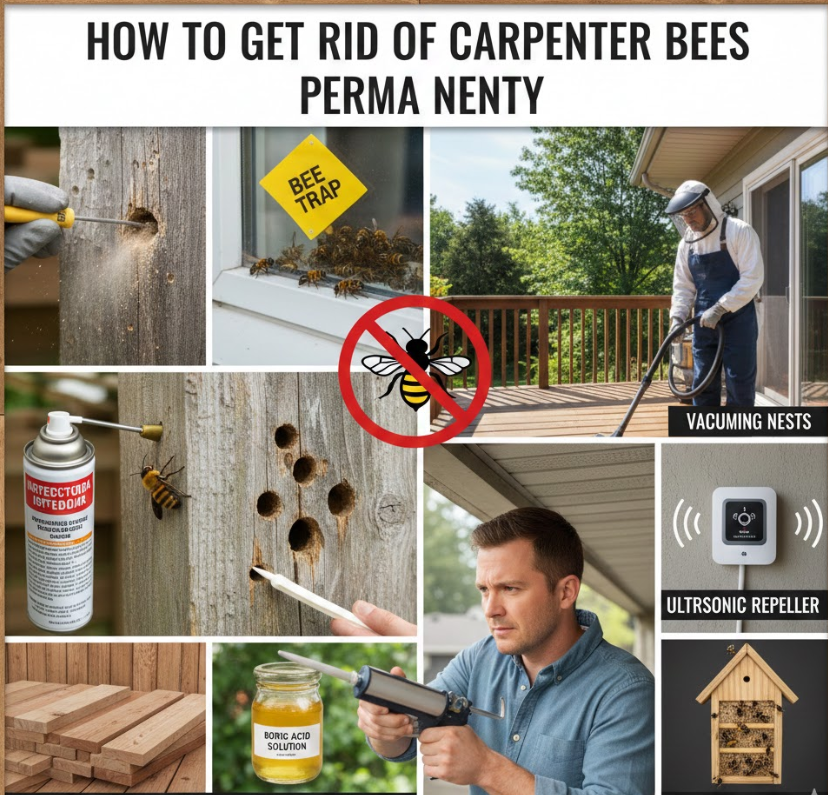
Long-term prevention is key for permanent elimination. Combining treatment and preventive strategies ensures lasting results.
- Treat Existing Nests: Use insecticidal dust or borate treatments for active nests.
- Seal Entry Holes: Prevent re-entry by filling or covering holes.
- Maintain Painted Surfaces: Regular repainting discourages nesting.
- Landscape Management: Keep vegetation away from structures.
- Install Decoy Nests: Provide alternative nesting areas to redirect bees.
- Monitor Yearly: Early detection prevents large infestations.
Also Read This:- How to Pop Your Ears: Effective Methods for Immediate Relief
How to Get Rid of Carpenter Bees Flying Around
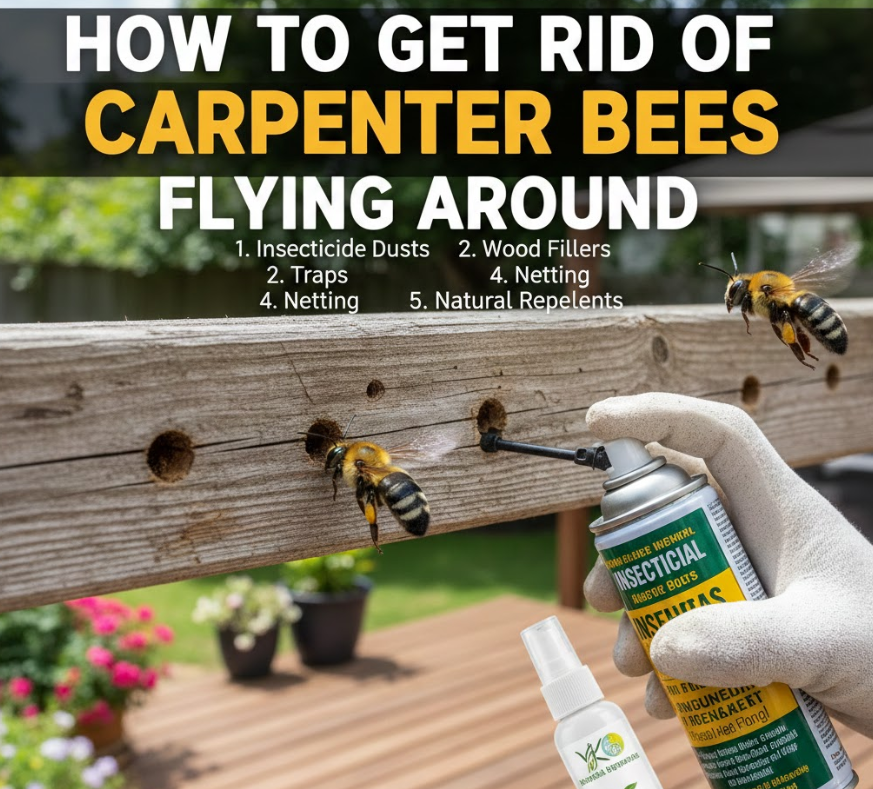
Seeing carpenter bees buzzing around can be alarming. It’s important to address the behavior before it leads to nesting.
- Use Visual Deterrents: Hanging reflective tape or fake predators can scare bees away.
- Essential Oil Sprays: Sprays with peppermint, eucalyptus, or citronella discourage lingering.
- Turn Off Lights at Night: Bees can be attracted to lighted areas during evening hours.
- Cover Exposed Wood: Minimize attraction by sealing or painting wood surfaces.
- Install Bee Traps: Reduce population by trapping active bees.
- Avoid Attracting Flowers Near Decks: Plant flowering plants away from areas where bees are undesired.
Also Read This:- What Does a Game Publisher Do? A Complete and In-Depth Explanation
How to Get Rid of Carpenter Bees Fast
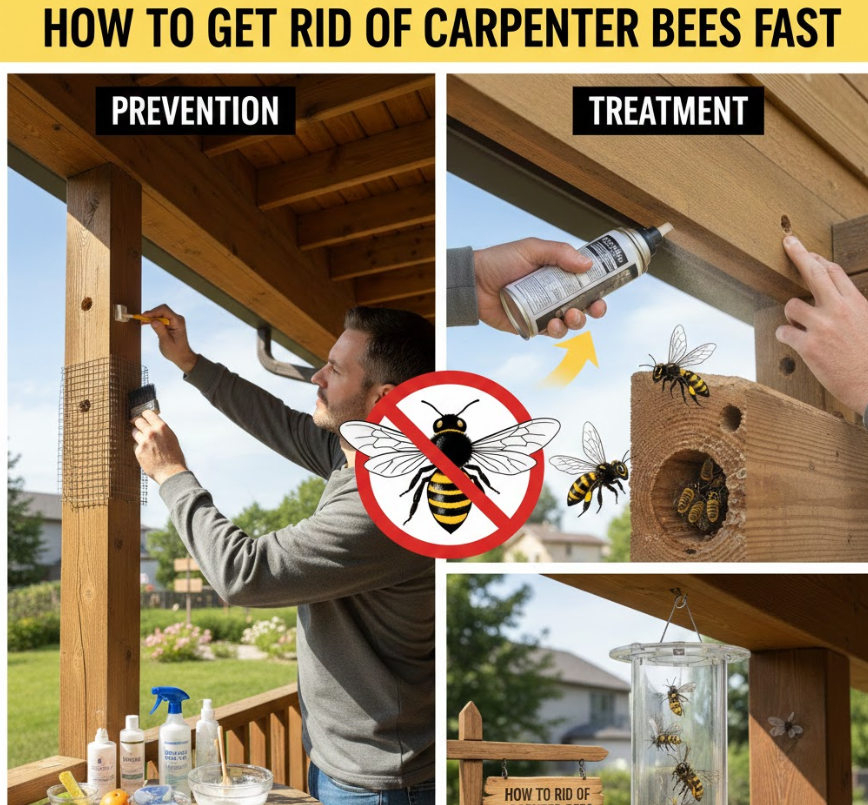
Speedy action is crucial during peak seasons when bees are most active.
- Identify Active Nests Quickly: Early identification prevents population growth.
- Use Insecticidal Dust in Holes: Fast-acting solution to kill larvae inside nests.
- Apply Essential Oil Spray: Immediate deterrent to drive away adult bees.
- Seal Holes After Nighttime Activity: Prevent re-entry.
- Install Bee Traps Immediately: Reduces active adult populations quickly.
- Remove Old Nests Promptly: Avoids attraction for new bees.
Also Read This:- What Does Media Upload Mean on Snapchat? A Complete User-Friendly Guide
How to Get Rid of Carpenter Bees and Wasps
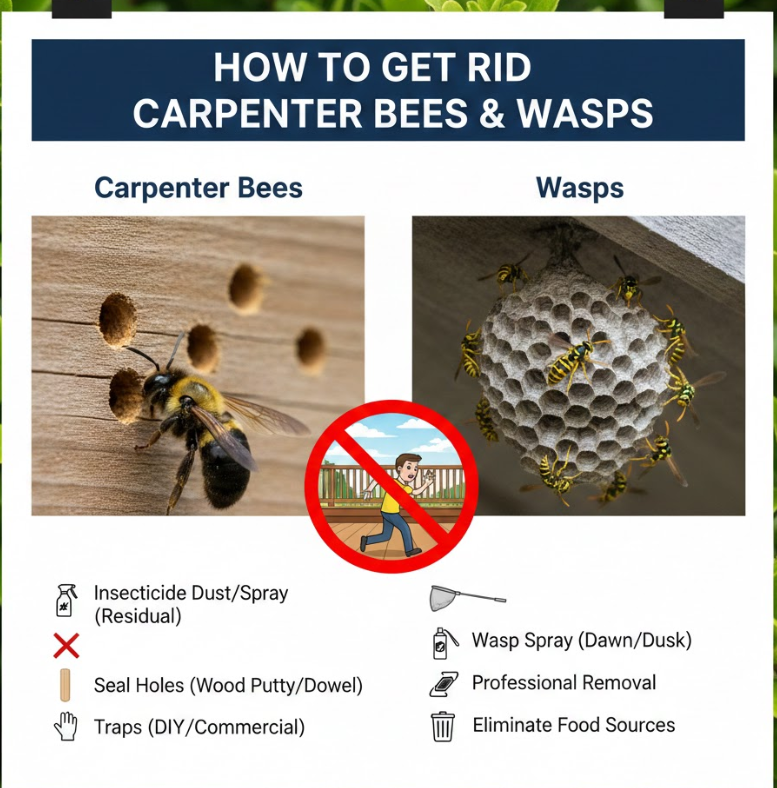
Sometimes carpenter bee infestations coincide with wasp activity. Integrated pest control is necessary.
- Identify Species Correctly: Ensure treatment targets both carpenter bees and wasps.
- Use Multi-Insect Sprays: Apply insecticidal dust or spray designed for multiple species.
- Seal Nesting Areas: Prevent re-infestation of both insects.
- Remove Nesting Materials: Eliminate debris and old nests.
- Monitor During Active Months: Wasps and carpenter bees are most active in spring and summer.
- Use Protective Gear: Avoid stings while applying treatments.
Also Read This:- What Does Eco Car Mean: A Complete and Practical Explanation
How to Get Rid of Carpenter Bees Under Decks and in Hard-to-Reach Areas
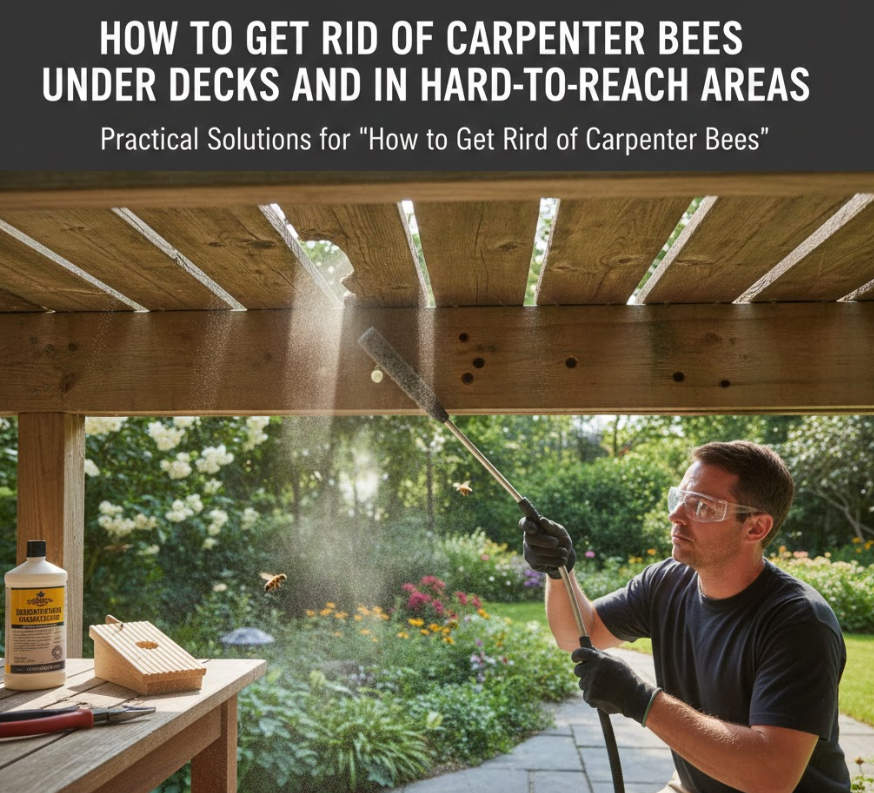
Under-deck infestations require careful treatment to avoid damage and stings.
- Use Long-Handled Applicators: Apply dust or sprays safely.
- Install Screens or Netting: Prevent bees from accessing under-deck spaces.
- Apply Essential Oils or Vinegar: Sprays can penetrate small gaps.
- Illuminate to Monitor: Use flashlights to inspect hidden areas.
- Seal Entry Holes: Prevent re-infestation after treatment.
- Regular Inspections: Catch early signs before colonies expand.
Also Read This:- How to Make Ramen Chips: A Step-by-Step Guide to Crispy Homemade Snacks
How to Get Rid of Carpenter Bees Nest
Eliminating nests is essential for long-term control. Proper removal ensures bees do not return.
- Identify Nests Accurately: Look for clustered holes and sawdust.
- Use Borate or Insecticidal Dust: Treat active nests to kill larvae.
- Wait for Evening Activity: Bees are less active at night; safer to approach nests.
- Seal and Fill Holes: Prevent reuse of old nests.
- Dispose of Nest Materials: Remove sawdust and debris safely.
- Prevent Future Nesting: Maintain painted or treated surfaces and remove exposed untreated wood.
Conclusion
Carpenter bees can cause significant damage if left unchecked, but with the right knowledge, you can get rid of carpenter bees naturally or permanently. By combining DIY treatments, natural remedies, and preventative maintenance, you can protect your deck, porch, and wooden structures from future infestations. Always remember to identify active nests early, apply deterrents, and maintain painted or sealed wood surfaces. These strategies ensure your home remains safe, beautiful, and bee-free while respecting the ecological role of these insects.
FAQ
Q: Can I get rid of carpenter bees without killing them?
A: Yes, natural deterrents, bee traps, and exclusion methods allow safe removal without harm.
Q: Are carpenter bees dangerous?
A: Carpenter bees are generally non-aggressive. Only females can sting, and they usually do so when provoked.
Q: How quickly can carpenter bees damage wood?
A: Active infestations can create structural holes in weeks to months, especially in softwoods like pine or cedar.
Q: Is WD-40 effective against carpenter bees?
A: WD-40 can drive bees out and protect wood surfaces but may not eliminate entire colonies.
Visit For More Information go to:- Virtualsmagazine