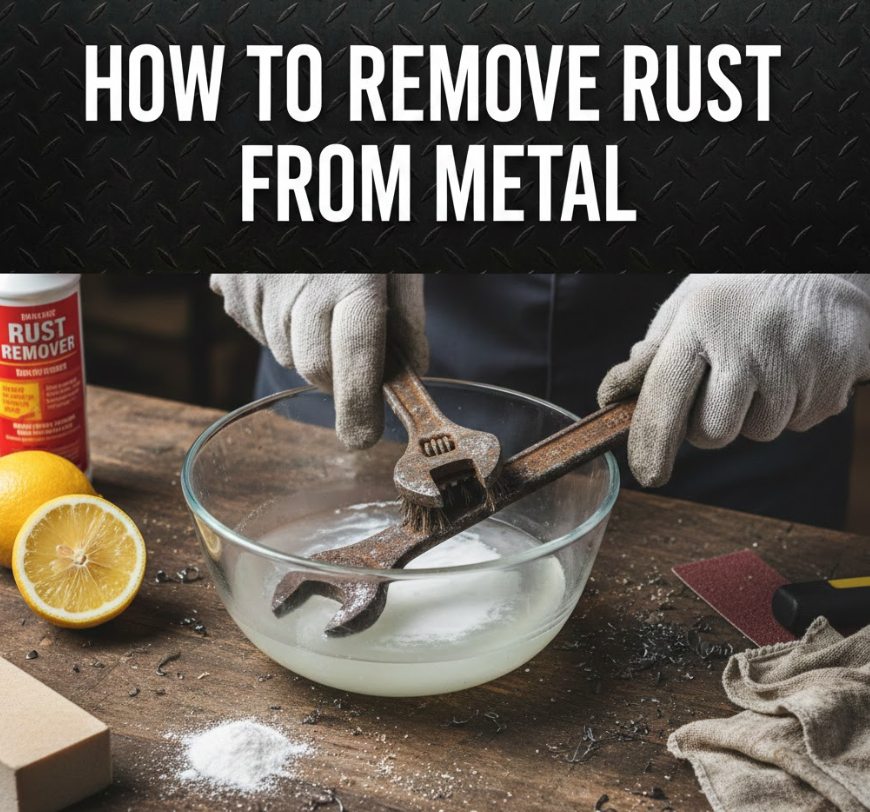

Rust is one of the most common and destructive problems affecting metal surfaces in homes, tools, furniture, and outdoor structures. Learning how to remove rust from metal properly not only restores appearance but also extends the lifespan of metal objects and prevents costly replacements. Rust forms when iron reacts with oxygen and moisture, creating iron oxide that weakens metal over time.
This in-depth guide explains safe, effective, and proven ways to remove rust from metal at home, without scratching, without damaging paint, and before repainting. Whether you are dealing with rust on furniture, tools, sinks, doors, or outdoor patio items, this article provides practical, experience-backed solutions that actually work.
How to Remove Rust From Metal at Home
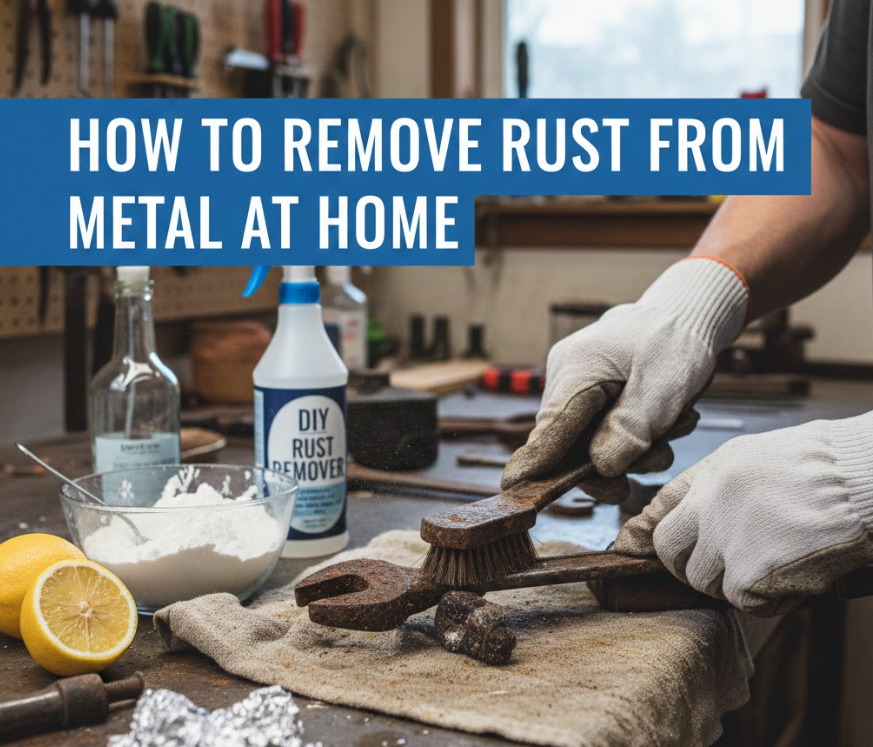
Removing rust at home is often easier and safer than people expect. Household ingredients and simple techniques can eliminate rust without expensive chemicals or professional services. Understanding the severity of rust and choosing the right approach ensures effective results without damaging the metal.
• Assessing the Level of Rust
Light surface rust can usually be removed using mild acids or gentle abrasion, while deeper corrosion may require soaking or multiple treatments. Inspect the metal carefully to identify whether rust is superficial or has penetrated deeply.
• Using Household Ingredients
Items like vinegar, baking soda, lemon juice, and salt are effective rust removers. These substances chemically react with rust, breaking it down without harsh scrubbing or scratching.
• Proper Preparation
Cleaning dirt and grease from the metal surface before treatment improves effectiveness. A clean surface allows rust-removal agents to work directly on oxidation.
• Time and Patience
Allowing treatments to sit for several hours or overnight often yields better results than aggressive scrubbing. Slow chemical reactions are safer for metal integrity.
• Rinsing and Drying
Thoroughly rinse metal after rust removal to stop acid reactions. Drying immediately prevents new rust formation.
• Preventive Measures
Applying oil, wax, or a protective coating after rust removal helps prevent future corrosion.
Also Read This:- How to Get Rid of Carpenter Bees: The Complete Home Guide
How to Remove Rust From Metal Without Scratching
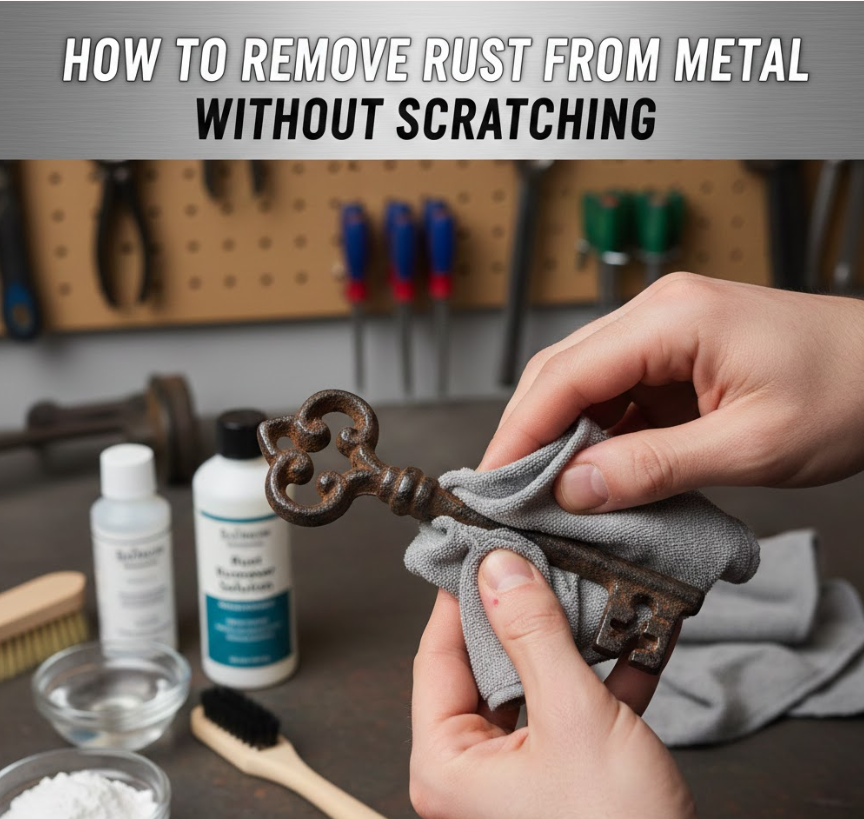
Removing rust without scratching is critical for decorative metals, appliances, and finished surfaces. Scratches expose fresh metal, accelerating future rust formation.
• Using Non-Abrasive Methods
Vinegar soaks, baking soda paste, and rust-dissolving solutions remove oxidation chemically instead of mechanically, preserving surface smoothness.
• Soft Materials Only
Microfiber cloths, sponges, and soft brushes are ideal. Avoid steel wool or wire brushes on delicate surfaces.
• Controlled Application
Applying rust remover in small sections prevents uneven results and reduces the need for force.
• Chemical Reaction Advantage
Acids like acetic acid in vinegar dissolve rust at a molecular level, eliminating the need for scraping.
• Gentle Rinsing
Rinse with lukewarm water and pat dry instead of rubbing aggressively.
• Surface Protection
After rust removal, apply polish or sealant to protect against micro-scratches and moisture.
Also Read This:- How to Get Ink Out of Clothes: Proven Methods That Actually Work
How to Remove Rust From Metal Without Scrubbing
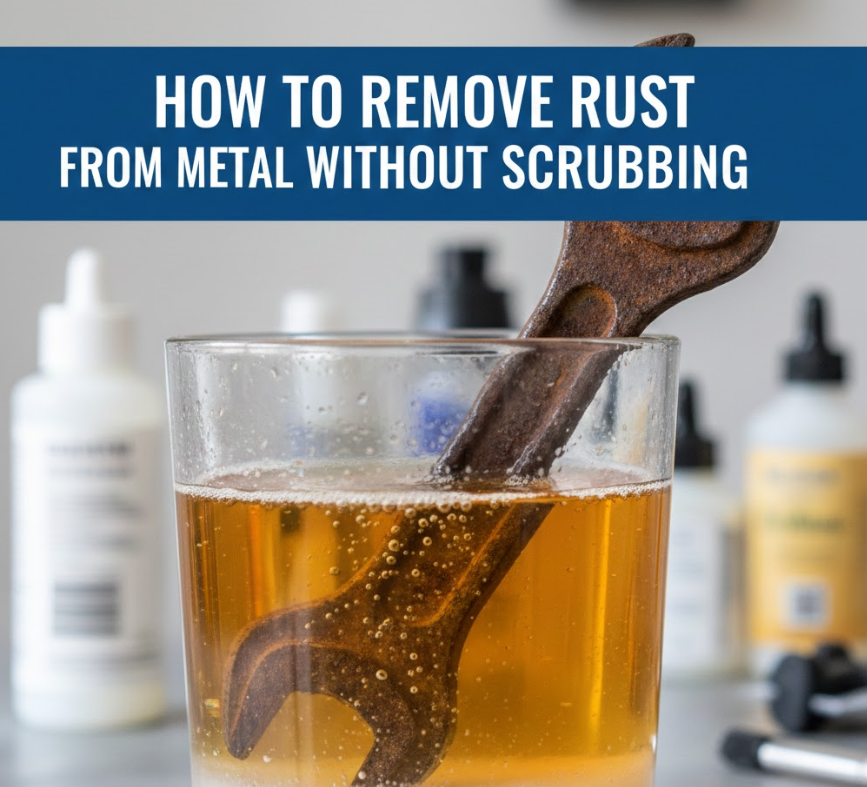
Rust can be removed effectively without physical scrubbing by using soaking and chemical breakdown techniques.
• Vinegar Soaking
Submerge small metal items in white vinegar for several hours. Rust loosens and falls away naturally.
• Baking Soda Paste
Applying thick paste allows rust to dissolve over time without abrasion.
• Citric Acid Solutions
Citric acid dissolves rust efficiently and is commonly used for tools and hardware.
• Commercial Rust Dissolvers
Many products chemically neutralize rust without mechanical action.
• Extended Soak Time
Time replaces effort. Longer exposure yields better results without damaging metal.
• Post-Treatment Neutralization
Rinse thoroughly and dry to prevent lingering acidity.
Also Read This:- How to Replace Windshield Wipers: A Complete, Vehicle-Specific Guide for Safe Driving
How to Remove Rust From Metal With Vinegar
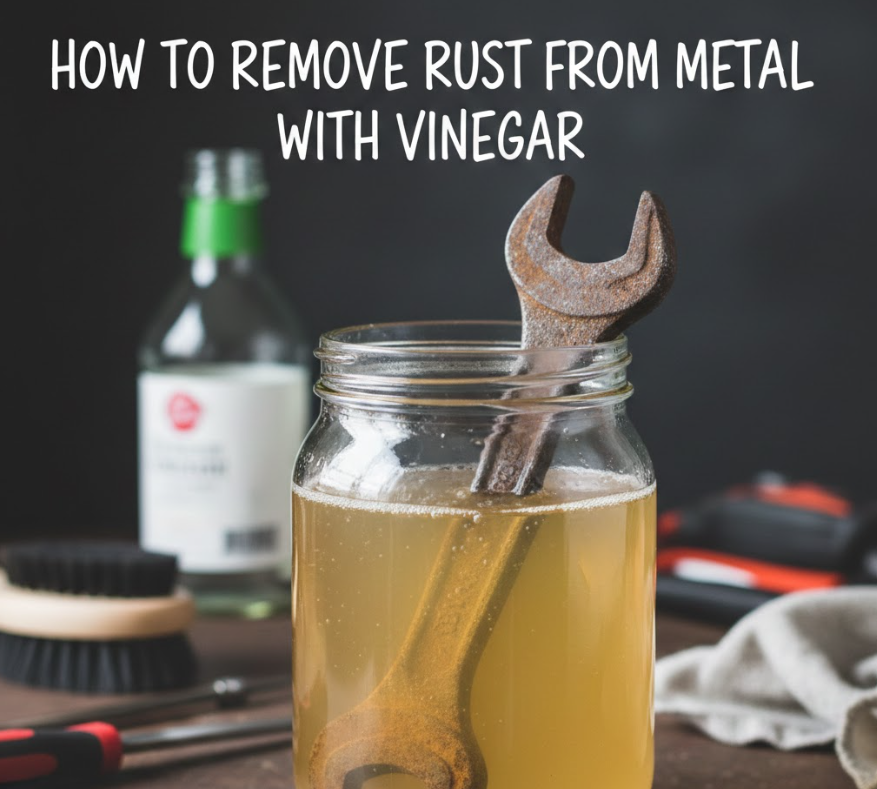
Vinegar is one of the most effective and accessible rust removers due to its acetic acid content.
• Why Vinegar Works
Acetic acid reacts with iron oxide, breaking it down into soluble compounds.
• Soaking Method
Submerge rusted items for 6–24 hours depending on severity.
• Surface Application
For large items, soak cloths in vinegar and wrap the rusted area.
• Minimal Scraping
After soaking, rust often wipes away with a cloth.
• Rinsing Importance
Neutralize acid by rinsing with water and drying completely.
• Protective Finish
Apply oil or paint after treatment to prevent new rust.
Also Read This:- How to Remove a Stripped Screw: The Complete Step-by-Step Guide for Every Situation
How to Remove Rust From Metal Without Damaging It
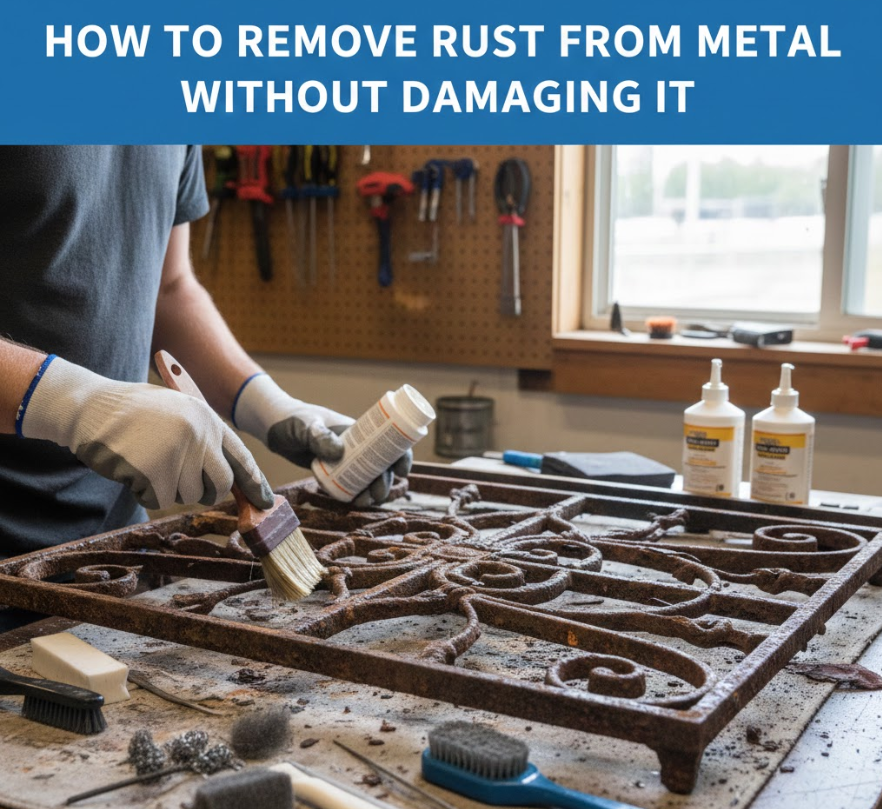
Preserving metal integrity is essential when removing rust.
• Avoid Harsh Abrasives
Aggressive grinding removes base metal and weakens structure.
• Use Chemical Dissolution
Chemical rust removers target oxidation without harming metal.
• Controlled Exposure
Over-soaking can weaken metal; monitor treatment duration.
• Temperature Awareness
Avoid extreme heat during rust removal as it accelerates oxidation.
• Protective Coatings
Wax, oil, or primer helps maintain structural integrity.
• Regular Maintenance
Routine cleaning prevents deep corrosion.
Also Read This:- How to Make Tea: The Ultimate Guide for Tea Lovers
How to Remove Rust From Metal Without Damaging Paint
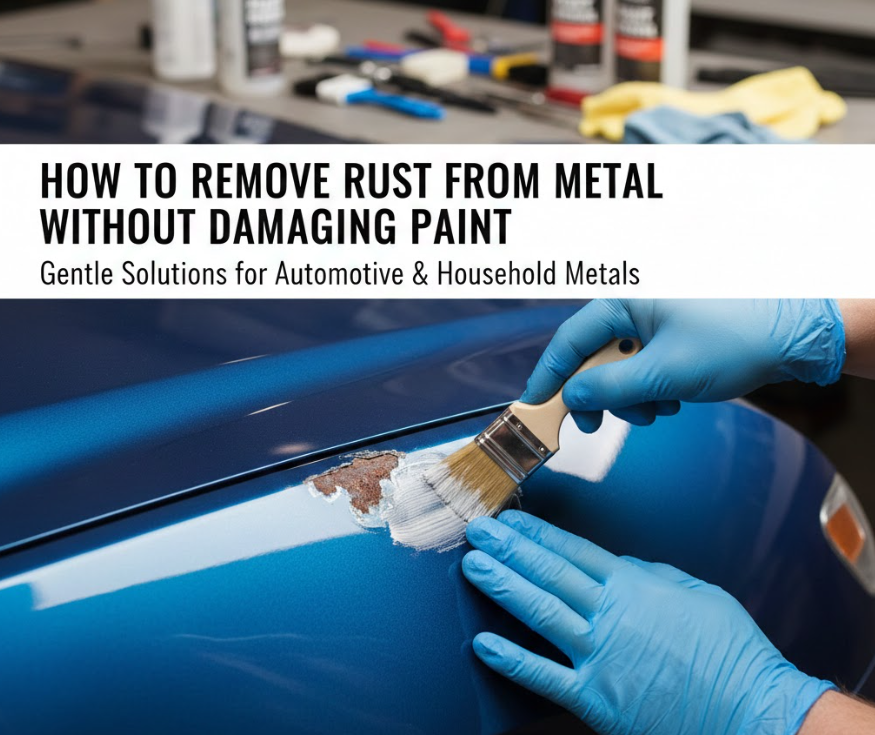
Painted metal requires special care to remove rust without stripping paint.
• Spot Treatment
Treat rusted areas only, avoiding painted sections.
• Mild Acids
Vinegar applied with cotton swabs minimizes paint contact.
• Rust Neutralizers
Products convert rust chemically without affecting paint.
• No Scraping Tools
Avoid metal tools near painted surfaces.
• Seal Exposed Areas
Touch up with clear coat or rust inhibitor.
• Prevent Moisture Exposure
Keep painted metal dry to stop rust spread.
Also Read This:- How to Make Powdered Sugar at Home Easily
How to Remove Rust From Metal Before Painting
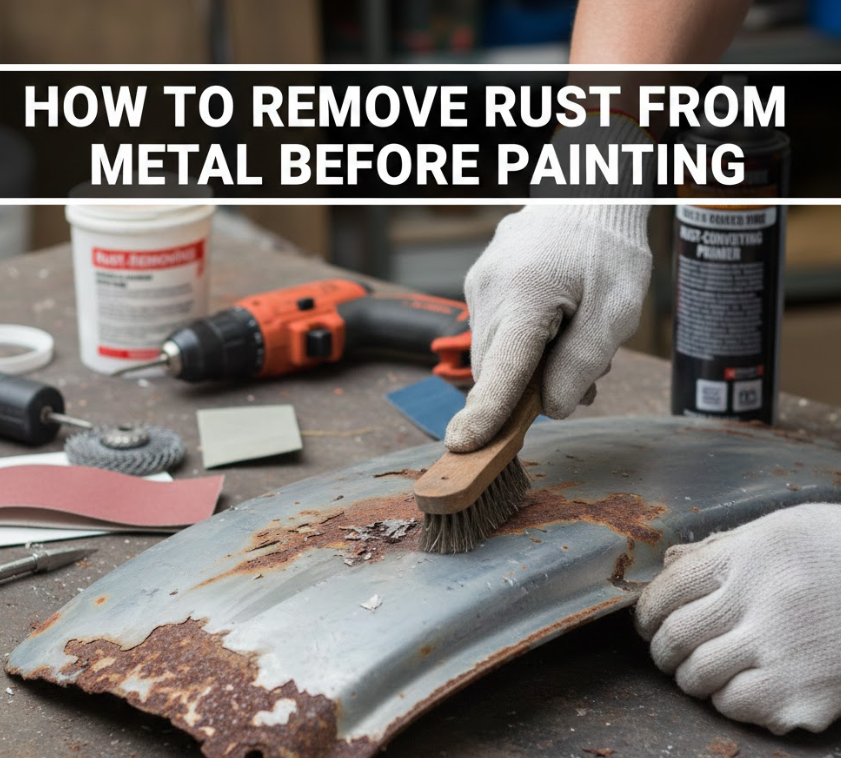
Removing rust before painting ensures proper adhesion and long-lasting results.
• Complete Rust Removal
Any remaining rust will continue spreading under paint.
• Degreasing
Clean oils and residues before treatment.
• Rust Converter Use
Converts rust into paintable surfaces.
• Sanding Lightly
Only if necessary to smooth the surface.
• Primer Application
Use rust-inhibiting primer before painting.
• Proper Dry Time
Allow surfaces to fully dry before coating.
Also Read This:- How to Season a Cast Iron Skillet: Expert Tips for Perfect Non-Stick Cooking
How to Remove Rust From Metal Furniture / Patio Furniture / Chairs / Bench / Table
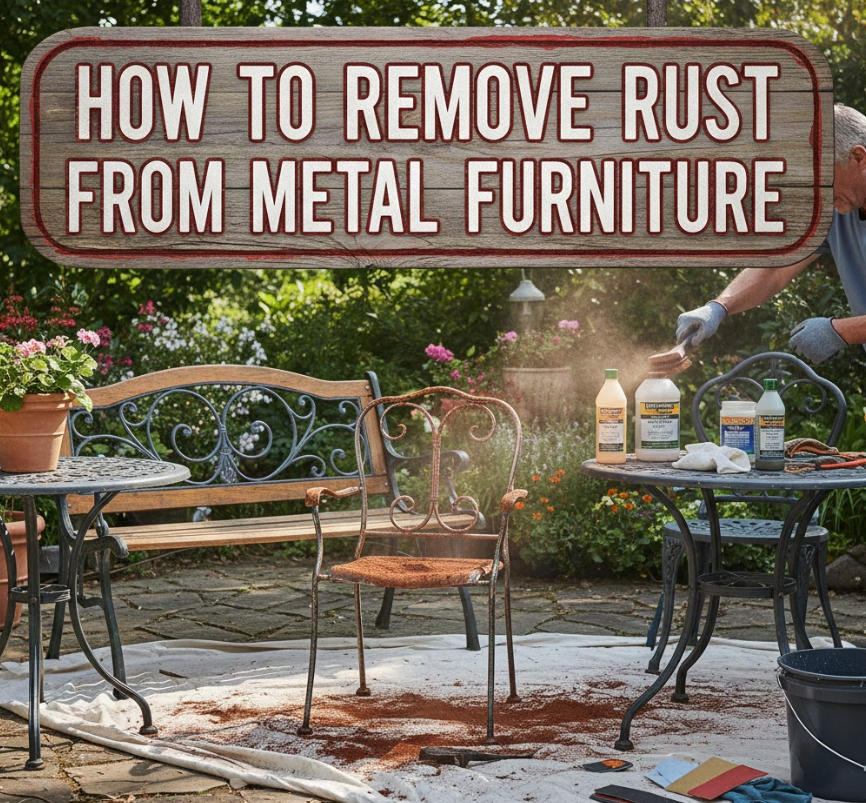
Outdoor metal furniture is especially vulnerable to rust due to moisture exposure.
• Weather Damage Assessment
Identify rust severity caused by rain and humidity.
• Vinegar or Citric Acid
Effective for large surfaces when applied with cloths.
• Non-Scratch Pads
Use soft pads to protect finishes.
• Protective Coatings
Outdoor sealants prevent future corrosion.
• Seasonal Maintenance
Clean and protect furniture before winter.
• Storage Solutions
Covers reduce exposure to moisture.
Also Read This:- How to Pop Your Ears: Effective Methods for Immediate Relief
How to Remove Rust From Metal Tools
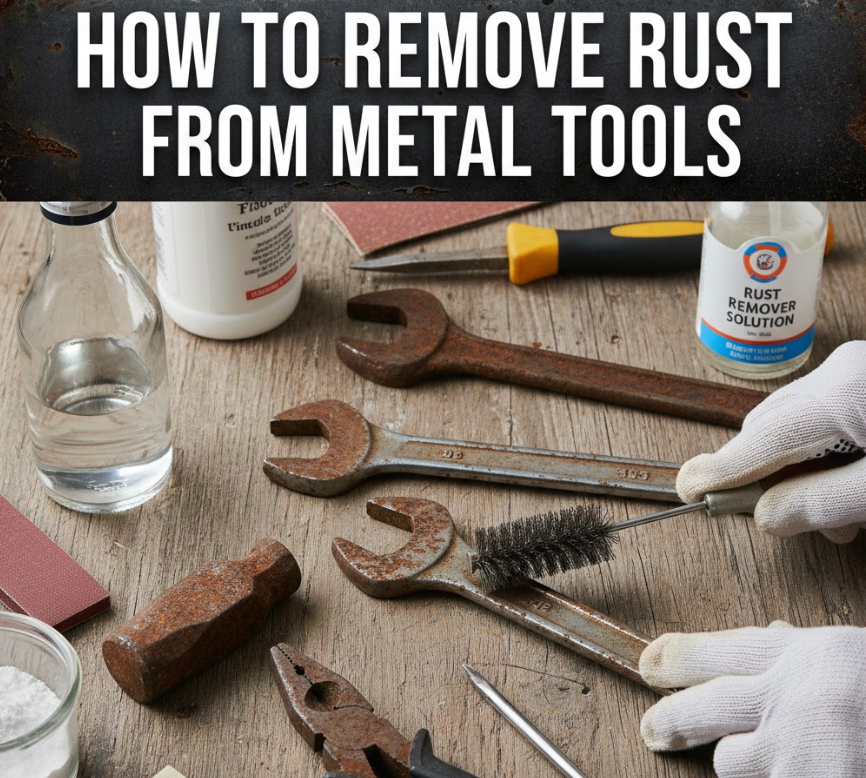
Tools require rust removal that preserves functionality and sharpness.
• Soaking Small Tools
Vinegar baths restore heavily rusted tools.
• Oil After Cleaning
Prevents moisture exposure.
• Precision Areas
Avoid rounding edges during rust removal.
• Dry Storage
Store tools in low-humidity environments.
• Silica Gel Packs
Absorb moisture in toolboxes.
• Routine Cleaning
Prevents future rust buildup.
Also Read This:- What Does a Game Publisher Do? A Complete and In-Depth Explanation
How to Remove Rust From Metal Sink / Shower Rod / Door / Cabinet / Roof / Surfaces
Household metal fixtures often rust due to constant moisture.
• Gentle Cleaning Agents
Protect finishes and coatings.
• Localized Treatments
Avoid spreading acids to surrounding areas.
• Ventilation
Dry environments slow corrosion.
• Protective Sealants
Apply clear coatings to exposed metal.
• Regular Wipe-Downs
Prevent moisture buildup.
• Inspection Routine
Early rust detection simplifies removal.
Conclusion
Understanding how to remove rust from metal empowers homeowners, DIY enthusiasts, and professionals to protect their investments and maintain metal surfaces safely and effectively. From vinegar-based home solutions to rust removal without scratching, scrubbing, or damaging paint, the right method depends on the surface, severity, and purpose of the metal.
Consistent maintenance, gentle techniques, and preventive protection are the keys to stopping rust before it spreads. With the methods outlined in this guide, you can confidently remove rust from tools, furniture, household fixtures, and outdoor structures while preserving strength, appearance, and longevity.
FAQs
Can rust be permanently removed from metal?
Rust can be removed, but prevention through sealing and maintenance is essential.
Is vinegar safe for all metals?
Vinegar works best on iron and steel; avoid prolonged exposure on aluminum.
What prevents rust from returning?
Dry storage, protective coatings, and regular cleaning.
Visit For More Information go to:- Virtualsmagazine