
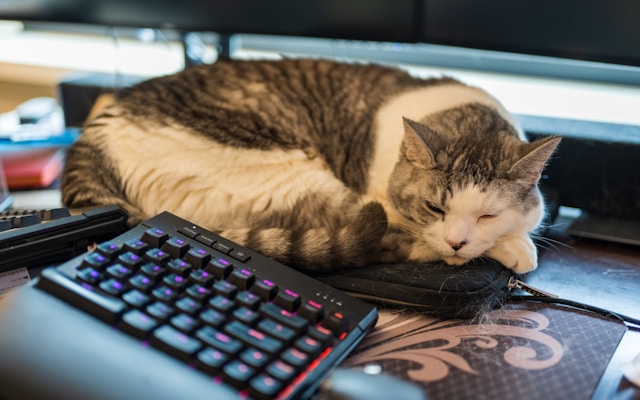

Gaming is an immersive experience, but for many enthusiasts, the thrill often comes with fatigue. If you identify as a tired gamer, you’re not alone. Extended hours of playing, late-night sessions, and the mental strain of competitive gaming can leave players physically exhausted and mentally drained. This phenomenon is more than just a lack of sleep—it’s a combination of lifestyle, gaming habits, and even dietary choices that affect performance.
Being a tired gamer isn’t merely about nodding off mid-game. It can lead to slower reaction times, decreased focus, and a diminished gaming experience. Understanding why fatigue occurs is the first step toward reclaiming energy and optimizing gameplay.
Common Causes of Gaming Fatigue
Several factors contribute to gamers feeling exhausted. One of the primary reasons is prolonged screen time, which strains the eyes and brain. Blue light exposure can disrupt circadian rhythms, making it difficult to maintain healthy sleep cycles.
Another significant factor is poor posture. Many gamers spend hours hunched over desks, causing muscle tension, neck pain, and chronic fatigue. Over time, this physical strain can amplify feelings of tiredness, even when a gamer has adequate sleep.
Nutrition also plays a critical role. Consuming high-sugar snacks, caffeine, or energy drinks may provide a temporary boost, but it often leads to energy crashes later. Hydration, or the lack thereof, further affects alertness and focus.
Finally, mental factors such as stress, pressure to perform, and competitive anxiety contribute heavily. A tired gamer often experiences cognitive overload, which can reduce reaction speed and decision-making capabilities.
Signs You’re a Tired Gamer
Identifying the signs of gaming fatigue is crucial. Common indicators include difficulty concentrating, increased irritability, headaches, and slower reflexes during gameplay. Gamers may also notice an inability to fully enjoy their favorite games or experience frequent yawning, eye strain, or blurred vision.
Emotional signs can be equally telling. Feeling demotivated to play, losing interest in long-time favorite titles, or experiencing frustration with previously manageable challenges often signal exhaustion. Recognizing these signs early helps prevent burnout and supports a healthier gaming routine.
Effects of Being a Tired Gamer on Health and Performance
The consequences of being a tired gamer go beyond poor gaming performance. Physically, chronic fatigue can lead to eye strain, tension headaches, and even repetitive strain injuries like carpal tunnel syndrome. Poor posture while gaming contributes to musculoskeletal problems that may persist outside of gaming hours.
Mentally, fatigue can impair cognitive abilities, making it harder to process information, remember strategies, and react quickly in high-pressure situations. Sleep deprivation from late-night gaming further exacerbates memory lapses and decision-making errors.
Socially, gamers may experience isolation or reduced communication with friends and family due to excessive gaming sessions and fatigue-related irritability. Understanding the multifaceted impact highlights the importance of addressing fatigue proactively.
Also Read This:- www AlternativeWayNet Gaming: Unlocking a New Era of Interactive Entertainment
Strategies to Combat Fatigue for Gamers
If you’re a tired gamer, several practical strategies can help restore energy, improve focus, and enhance gaming performance.
1. Optimize Your Gaming Environment: Ensure proper lighting, ergonomic seating, and desk setup. Adjust screen brightness to reduce eye strain and maintain a comfortable distance from monitors.
2. Take Regular Breaks: Following the 20-20-20 rule—looking at something 20 feet away for 20 seconds every 20 minutes—reduces eye strain and prevents mental fatigue. Stretching and short walks during breaks improve circulation and alertness.
3. Prioritize Sleep: Adequate rest is essential. Gamers who maintain consistent sleep schedules experience better reaction times and sustained energy levels. Avoid gaming right before bedtime to improve sleep quality.
4. Maintain Balanced Nutrition: Incorporate whole foods, lean protein, and healthy fats into your diet. Hydrate consistently and limit high-sugar snacks and excessive caffeine to prevent energy crashes.
5. Incorporate Physical Activity: Exercise boosts blood flow, reduces stress, and improves stamina. Simple routines like stretching, yoga, or short cardio sessions can make a noticeable difference in overall energy levels.
Mental Strategies to Fight Gaming Fatigue
Fatigue is not purely physical; mental exhaustion plays a critical role. Techniques such as mindfulness and meditation help gamers manage stress and maintain focus during long sessions. Visualization strategies, such as mentally rehearsing game scenarios, can enhance cognitive performance without physically overexerting.
Time management is also key. Scheduling gaming sessions rather than impulsively playing late into the night ensures balance between entertainment, work, and social life. Gamers can also set small, achievable goals to maintain motivation and avoid mental burnout.
Technology Tips to Reduce Gaming Fatigue
Modern technology offers solutions to minimize fatigue. High-refresh-rate monitors reduce eye strain and lag, while adjustable gaming chairs support proper posture. Blue light filters or specialized glasses can protect vision during extended gaming sessions.
Additionally, gaming peripherals designed ergonomically, such as mechanical keyboards and supportive controllers, can prevent repetitive strain injuries. Voice commands or macro keys can reduce the need for repetitive movements, enhancing comfort and efficiency.
Benefits of Being a Rested Gamer
Addressing fatigue transforms your gaming experience. Rested gamers demonstrate sharper reflexes, better decision-making, and higher enjoyment levels. Energy management enhances focus, allowing players to master complex strategies and respond more effectively in competitive environments.
Moreover, a rested gamer enjoys broader health benefits. Adequate sleep, proper nutrition, and balanced gaming routines reduce the risk of chronic health problems and improve overall well-being. Physical fitness, mental clarity, and emotional balance collectively enhance long-term gaming satisfaction.
Creating a Sustainable Gaming Lifestyle
Sustainable gaming is about balance. Incorporating regular breaks, exercise, healthy eating, and mindfulness creates a lifestyle where gaming remains enjoyable without causing fatigue. Gamers should set realistic limits for daily gameplay and periodically assess their physical and mental state to avoid burnout.
Social interaction is also valuable. Connecting with friends or joining cooperative gaming communities reduces isolation and increases motivation. Sharing experiences and strategies fosters engagement while supporting mental health.
Expert Tips from Experienced Gamers
Veteran gamers often share valuable insights to combat fatigue. Many emphasize the importance of hydration and proper posture, noting that even minor adjustments can dramatically improve endurance. Others recommend rotating gaming sessions with physical activity or hobbies to maintain mental freshness.
Another key strategy is monitoring in-game intensity. Alternating high-stress competitive matches with casual, low-stakes gameplay prevents overexertion and allows recovery without sacrificing enjoyment.
The Future of Gaming and Fatigue Management
As gaming technology evolves, tools to combat fatigue continue to improve. Virtual reality (VR) and augmented reality (AR) offer immersive experiences but also pose unique challenges like motion sickness and increased eye strain. Awareness and proactive management of these risks are crucial for modern gamers.
Wearable devices and health apps can track fatigue levels, monitor sleep quality, and suggest activity breaks. Integration of AI-driven personalized recommendations promises a future where gamers can optimize performance while minimizing physical and mental strain.
Conclusion
Being a tired gamer is a common challenge, but it’s not insurmountable. By understanding the causes of fatigue, recognizing the signs, and implementing practical strategies for physical and mental well-being, gamers can enjoy prolonged, immersive experiences without compromising health. Balanced routines, proper nutrition, ergonomic setups, and mindful gaming practices empower players to stay alert, focused, and fully engaged.
Prioritizing self-care is not only beneficial for performance—it enhances overall enjoyment and satisfaction in the gaming world. Transform fatigue into energy, and elevate your gaming experience to its fullest potential.
FAQs
1. What causes a gamer to feel tired quickly?
Extended screen time, poor sleep, and physical strain are common causes.
2. How can a tired gamer boost energy during sessions?
Short breaks, hydration, and healthy snacks help sustain energy.
3. Is gaming at night bad for sleep?
Yes, blue light exposure and stimulation can disrupt circadian rhythms.
4. Can exercise improve gaming performance?
Absolutely, it boosts blood flow, alertness, and overall stamina.
5. How often should a gamer take breaks?
Every 45–60 minutes or following the 20-20-20 rule for eyes.
Visit For More Information:- Virtuals Magazine